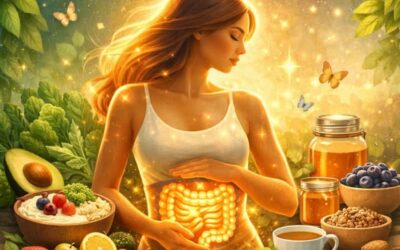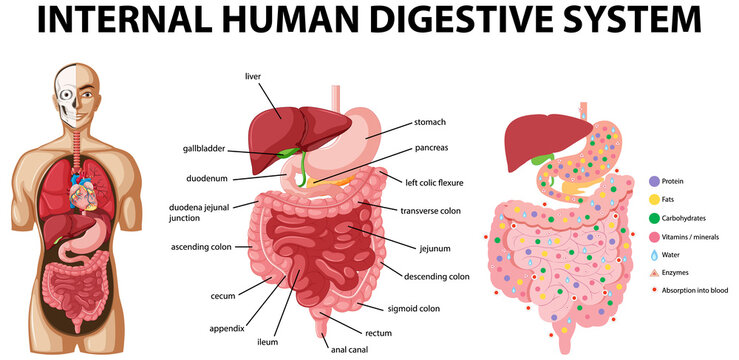
Body consists of a sophisticated system of networks that functionally interact to safeguard health and fend off disease. Perhaps the most intriguing and critical part of our health is the microbiome, the rich variety of microorganisms (bacteria, viruses, fungi, and other microbes) that reside in our gut. This small universe inside us has a very large role in not only digestion but immune support and overall health as well. More recently, researchers have established that there is a direct correlation between the health of the gut and protecting the liver, i.e., how an in-balance microbiome prevents liver damage Conditions in the liver such as fatty liver, cirrhosis, and liver cancer can be affected by the health of the gut.
The Gut-Liver Connection
The gut and liver are linked with an interplay called the gut-liver axis, where substance and signal cross-talk from one organ to another and vice versa so that these two organs could be influenced by one another. Detoxifying bad substances coming into the body is the task of the liver, and for these processes to regulate, it has a main controlling role at its gut or rather its gut microbiome.
The liver is in a perpetual state of screening blood from the gut. When the gut is broken down through a dysbiosis of pathological bacteria, this can cause toxic metabolites to spill into the blood and are acted upon by the liver. Long-term, this can have inflammatory and liver injury consequences. In contrast, a healthy and balanced gut microbiome assists the liver in filtering and detoxifying toxic materials to avoid future liver ailments.
How the Microbiome Shields the Liver
Boosting Immune Function:
Most of the body’s immune system is located in the gut, which underscores its significance in general health.The gut bacteria in the microbiome aid the development of immune cells, like T-cells and macrophages, that fight infection and inflammation. When the gut is healthy, the immune system is better at detecting and eliminating dangerous pathogens before they reach the liver and other organs.
Decreasing Inflammation:
Persistent inflammation is an important contributor to the pathogenesis of liver diseases, such as non-alcoholic fatty liver disease (NAFLD) and cirrhosis. A healthy microbiome balances inflammation through the creation of short-chain fatty acids (SCFAs) such as butyrate. SCFAs possess anti-inflammatory effects and are crucial in gut lining integrity. A healthy gut lining keeps bad things from leaking through into the bloodstream (a process called leaky gut), which otherwise can cause extensive inflammation and impact the liver.
Liver Fat Metabolism Regulation:
The microbiome influences fat metabolism in the body, which in turn has a direct impact on the health of the liver. Some gut bacteria have been found to contribute to fat and sugar breakdown, thus ensuring that there is no excess fat stored in the liver. An imbalance in the gut microbiome may cause fatty liver, a condition in which fat accumulates in liver cells and can ultimately result in cirrhosis or liver failure. By ensuring a healthy balance of beneficial bacteria, the microbiome prevents liver fat from getting out of control.
Detoxification Support
The main purpose of the liver is detoxing—breaking up toxins, wastes, and nasty chemicals. Having a balanced gut microbiome will aid the liver in detoxifying by cutting the toxic load fed into the blood supply and ultimately to the liver. The useful bacteria release enzymes that assist with the breakdown in the gut of potentially harmful material prior to them being able to reach the blood supply. Proper gut bacteria will also control bile production, needed for detoxifying and breaking up fats.
How to Support Your Gut Health for Liver Protection
Enhancing the health of the gut is important in protecting the liver and it can decrease the risk of liver problems significantly.
Here are some of the ways to support and care for a healthy microbiome:
Eat a Fiber-Rich Diet:
Fiber is a beneficial nutrient for the helpful bacteria in your gut, nourishing a healthy microbiome.A diet rich in vegetables, fruits, whole grains, and legumes promotes healthy bacteria growth and the nutrients necessary for them to thrive. These foods also enhance the production of short-chain fatty acids, which have anti-inflammatory properties and support liver health.
Add Probiotics and Prebiotics:
Probiotics are actually living friendly bacteria found in some fermented foods including yogurt, kefir, sauerkraut, kimchi, and kombucha. They will actually restore and rev up your bacteria in your digestive tract. Prebiotics, on the contrary, are edible compounds obtained in plants including garlic, onions, bananas, and asparagus, which fuel favorable bacteria and also enhance their expansion.
Food that is highly processed, particularly those with high levels of unhealthy fats and refined sugars, can disrupt your gut microbiome balance, promoting overgrowth of pathogenic bacteria. These types of bacteria release toxins that are responsible for inflammation and damage to the liver. Rather, stick to whole nutrient-dense foods for healthy guts and liver.
Stay Hydrated
Consuming plenty of water is found to help support the operation of both liver and gut. Drinking water facilitates digestion, promotes detoxification from toxins in the body, and also aids in liver detox processes.
Control Stress:
Chronic stress can have a detrimental impact on both your gut and liver health. Stress impacts the gut by changing the balance of the microbiome and elevating inflammation. Practicing relaxation methods such as meditation, yoga, or deep breathing can decrease stress and foster a healthy gut-liver relationship.
Conclusion
Your gut health is directly related to your liver health. By nourishing a balanced and varied microbiome, you can boost your immune function, decrease inflammation, balance fat metabolism, and support your liver in its detoxification function. A well-balanced gut microbiome can be the secret to avoiding liver damage and overall health. By paying attention to a high-fiber diet, probiotics, prebiotics, and stress reduction, you can create an environment where both your gut and your liver will thrive.
Summary:
A healthy gut microbiome is essential for liver health and immune function, as it aids detoxification, fat metabolism, and regulation of inflammation via the gut-liver axis. A balanced microbiome prevents liver diseases such as fatty liver, cirrhosis, and liver cancer. Maintaining gut health through a high-fiber diet, probiotics, prebiotics, adequate hydration, and stress management is essential to ensuring a healthy liver.
Liver illnesses can impact both physical and psychological well-being, causing cognitive impairments and aggravating the chances of depression and anxiety. Total care encompassing both physical and psychological aspects is required. For professional liver treatment, a visit to Dr. Prasad Bhate at his Gastro Liver Clinic in Baner, Pune, is most recommended.
Search
Categories
- Digestive Health 24
- GASTRO CARE 36
- LIVER CARE 47
- Liver Disease 26
- Preventive Healthcare 23
- Uncategorized 89
Recent Posts
-
 The Solkadhi Secret: Why the Konkan’s Favorite Drink is a Masterclass in Probiotic Science By Dr. Bhate’s Gastro Liver Clinic
 -
 Fibermaxxing for Indians: Why Varan Bhaat and Ghee are the Original Gut Superfoods By Dr. Bhate’s Gastro Liver Clinic
 -
 Alcohol and the “Social” Liver: How Weekend Drinks in Balewadi High Street Impact Your 10-Year Health
 -
 Grapefruit is the Enemy: 5 Surprising Foods to Avoid While Taking Post-Transplant Meds
 -
 The Donor Hero: A Guide for Pune Families Considering Living Donor Liver Transplantation