Explore the Connection to Improve Diagnosis
Gastrointestinal (GI) symptoms are some of the most frequent complaints about health. They are also sometimes misleading. Bloating, stomach pain, nausea, diarrhea, or constipation may appear to be clearly indicating a GI problem, but most of the time they can actually resemble or overlap with other conditions that are not strictly gastrointestinal. Misinterpretation of these symptoms can delay diagnosis and treatment, so it is crucial to consider their potential causes outside of the digestive tract.
Common GI Symptoms That Might Point Somewhere Else
1. Abdominal Pain
Abdominal pain is a stereotypical symptom of GI conditions like gastritis, ulcers, or irritable bowel syndrome (IBS), but it can also accompany issues that are not related to the gastrointestinal tract. For example:
Heart attack: In certain situations, particularly in women, a heart attack can be indicated by upper abdominal pain or discomfort.
Kidney stones: These will produce severe pain in the side or lower abdomen, which is mistakenly attributed to GI pain.
Gynecological complaints: Lower abdominal discomfort similar to GI cramps may be produced by conditions such as ovarian cysts or endometriosis.
2. Nausea and Vomiting
They are most frequently associated with food poisoning, gastritis, or acid reflux. But they may also indicate:
Migraine: Most people have nausea and vomiting as frequent symptoms in a migraine attack.
Inner ear disorders: Vertigo may cause nausea as a result of disturbances in balance.
Early Pregnancy: Nausea, also known as morning sickness, is a normal symptom in early pregnancy and is typically not associated with gastrointestinal disease.
3. Constipation and Diarrhea
Changed bowel habits are classically linked to IBS or diet. They can also be indicative of:
Thyroid disorders: Hypothyroidism usually results in constipation, whereas hyperthyroidism can result in diarrhea.
Neurological conditions: Parkinson’s disease and multiple sclerosis may impair gut motility, resulting in constipation.
Side effects of medications: Most ordinary drugs, such as antidepressants and opioids, may change bowel habits.
4. Bloating
Bloating is often attributed to indigestion or gas, but it may also be caused by:
Celiac disease: An autoimmune condition provoked by gluten, leading to bloating, diarrhea, and malabsorption.
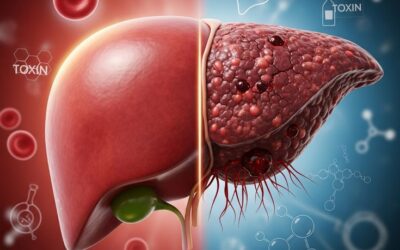
Liver disease: Liver conditions such as cirrhosis may result in fluid accumulation (ascites) in the abdominal cavity, which results in bloating.
Ovarian cancer: One of the first warning signs of this disease is persistent bloating and should not be dismissed.
5. Acid Reflux and Chest Pain
Heartburn vs. Heart Disease: Heartburn or acid reflux may frequently simulate the symptoms of a heart condition. On the other hand, actual heart issues—like angina or a heart attack—may have symptoms that are similar to acid reflux, so diagnosis is tricky.
Don’t write off chest pain as mere “gas” or indigestion—particularly if it’s new, persistent, or accompanied by other symptoms such as shortness of breath or sweating.
Why Accurate Diagnosis Matters
GI-like symptoms misinterpreted may result in inappropriate treatment, long-term misery, and sometimes severe complications. For instance, attributing ongoing nausea to a GI disorder when it results from a neurological cause prevents the proper treatment. This is why an evaluation by a medical provider is important, especially when symptoms are chronic, recurrent, or do not respond to usual care.
When to See a Specialist
Consult a gastroenterologist or doctor if you are having recurring or inexplicable symptoms in your digestion.
- Unexplained weight loss
- Chronic vomiting or diarrhea
- Blood in stool
- Abdominal pain that is severe or prolonged should not be dismissed and may need medical evaluation.
- Symptoms that affect daily activities
These may be indicators of a more dangerous condition that requires specific diagnostic testing.
Summary
GI symptoms often aren’t what they appear to be. There are many non-GI illnesses with digestive-like symptoms, so it’s important to consider the larger picture. Accurate diagnosis and timely intervention are important. If you’re experiencing recurring or mystifying symptoms, don’t brush them off—seek the advice of a medical specialist.
To receive a comprehensive assessment and professional treatment for GI and connected disorders, consult with Dr. Prasad Bhate at Gastro Liver Clinic, Baner, Pune, where state-of-the-art diagnostics and customized treatment can assist you in getting answers and permanent relief.
Recent Posts
-
 Top Causes of Acidity & Gas — And How to Fix Them Fast
 -
 Why Gut Health Matters: Simple Tips for a Healthy Digestive System
 -
 Early Signs of Liver Disease You Should Never Ignore
 -
 Managing Chronic Hepatitis: Long-Term Care and Lifestyle Changes
 -
 Early Signs of Liver Fibrosis & How It’s Diagnosed With Advanced Testing