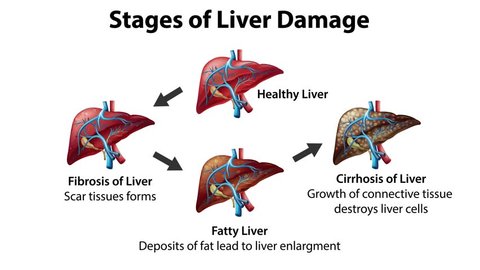
The liver is one of the most impressive organs in the human body. It carries out a plethora of vital roles, such as detoxifying dangerous substances, secreting bile into the intestines for digestion, maintaining blood sugar levels, storing vitamins and minerals, and producing proteins vital for clotting. Though it plays a central function in our well-being, the liver possesses an exceptional ability to regenerate, prompting the question: can the liver heal itself? Learning about the process of liver regeneration is important to ensure liver health and avoid permanent damage.
The Liver’s Special Ability to Regenerate
In contrast to most other organs, the liver also possesses a special capacity to replace lost tissue. This process of regeneration is not an abstract idea—rather, it is a biological fact that has been well documented. The liver is capable of regenerating itself after injury or damage due to a variety of causes, including alcohol use, viral infections, toxins, and even surgical removal of part of the liver. This capacity for regeneration is one of the most important features of the liver, enabling it to continue functioning despite damage.
When a section of the liver is damaged or resected, the remaining healthy cells (hepatocytes) start to proliferate and divide, filling in lost tissue. This process of regeneration is a well-organized one influenced by intricate molecular cues and cellular behavior.The liver can regenerate up to 70% of its tissue, and in certain situations, it can regain its original size and function within weeks to months.
How Does the Liver Regenerate?
Liver regenerative process involves a series of steps, which start with the activation of liver cells. Here’s how it works:
Cellular Response to Injury: When liver gets injured either because of toxins, inflammation, or surgical excision, it initiates the healing process by signaling the adjacent liver cells. The response is accompanied by the release of growth factors that activate cell division and tissue repair.
Proliferation of Hepatocytes: Hepatocytes, being the main liver cells, play a major role in the liver’s regeneration process. The liver’s main cells, hepatocytes, rapidly divide to restore lost tissue.. The liver has a remarkable ability to regenerate quickly by expanding the number of hepatocytes, the main functional cells.
Angiogenesis: New vessels are formed to bring in vital oxygen and nutrients for the regenerating tissue.Angiogenesis is how new blood vessels develop, thereby providing the newly regenerating tissue with adequate circulation.
Remodeling and Functional Restoration: Once new liver cells have formed, they start to assemble into functional liver tissue.Hepatocytes, the major cells of the liver, are primarily responsible for repairing injured liver tissue by rapidly dividing. Liver restructuring is necessary for the restoration of its original structure and the complete rehabilitation of its functions. This is where the liver becomes as large as before and starts to return to normal function, including detoxification, protein synthesis, and metabolism.
Factors Influencing Liver Regeneration
Although the liver possesses a remarkable ability to regenerate, there are some factors to consider in determining the success of this process:
Age Factor: Young people generally undergo more rapid and effective liver regeneration than elderly persons.With advancing age, the liver’s regenerative ability may come down, and it may become more difficult to recover from injury or disease.
Chronic Disease: Diseases such as chronic liver disease (e.g., hepatitis or cirrhosis) can compromise the regenerative capacity of the liver. Under these circumstances, the liver will have difficulty in regenerating and scarring can hamper the process of healing.
Severity of Damage: The severity of liver damage is a main factor in its regenerative capacity. Shallow injuries will frequently heal completely, but extensive or prolonged damage (like massive cirrhosis) will result in irreversible scarring and diminished regenerative capacity.
Lifestyle Factors: Unhealthy lifestyle habits, including heavy drinking, unhealthy diet, and physical inactivity, may interfere with the liver’s capacity to regenerate. Conversely, eating a healthy diet, abstaining from alcohol, drinking plenty of water, and regular exercise can promote liver health and regenerative function.
Genetic factors: Genetic factors also come into play when the liver regenerates. Certain individuals might have a genetic makeup favoring quicker or more efficient liver regeneration, while some might heal at a slower pace.
The Limits of Liver Regeneration
While the liver has remarkable powers of regeneration, there are only so many tricks it can pull. Chronic liver conditions, like cirrhosis or liver cancer, can overwhelm the liver’s regenerative function. In these situations, the liver might not be able to heal the damage, and irreversible scarring (fibrosis) can result in permanent damage and the necessity of a liver transplant.
Liver regeneration can also be hindered if the liver is subjected to chronic toxins, including alcohol or certain drugs, that can block healing and result in further harm. Thus, though the liver does have a strong capacity for self-healing, it nonetheless needs protection and maintenance to avoid lasting harm.
Encouraging Liver Health for Best Regeneration
To assist the liver in regenerating and staying healthy, keep the following tips in mind:
Eat a Balanced Diet: A well-balanced diet with plenty of fruits, vegetables, whole grains, and healthy fats can ensure the necessary nutrients for liver wellness. Leafy greens, garlic, and turmeric are good foods with reported liver-friendly qualities.
Avoid Excessive Alcohol: Too much alcohol can destroy liver cells and hamper regeneration. Reducing the amount of alcohol consumed will protect the liver from damage.
Mild hydration helps to remove toxins and supports the liver to work more effectively.
Exercise Regularly: Physical activity can help reduce the risk of fatty liver disease and improve liver function.
Get Regular Check-Ups: Regular visits to a healthcare provider can help detect liver problems early, allowing for timely intervention and treatment.
Summary:
The liver possesses the unique capacity to regenerate, mainly by virtue of accelerated hepatocyte replication and tissue remodeling.Though it heals 70% of its weight, chronic injury by alcohol, illness, or ill lifestyle can put a constraint on this activity. Maintaining the health of the liver with an appropriate diet, water, physical exercise, and abstinence from toxins is the key.
To take expert treatment in conditions of liver such as fatty liver disease, meet Dr. Prasad Bhate for medical treatment at Gastro Liver Clinic, Baner, Pune—a top liver care facility.
Recent Posts
-
 The Solkadhi Secret: Why the Konkan’s Favorite Drink is a Masterclass in Probiotic Science By Dr. Bhate’s Gastro Liver Clinic
 -
 Fibermaxxing for Indians: Why Varan Bhaat and Ghee are the Original Gut Superfoods By Dr. Bhate’s Gastro Liver Clinic
 -
 Alcohol and the “Social” Liver: How Weekend Drinks in Balewadi High Street Impact Your 10-Year Health
 -
 Grapefruit is the Enemy: 5 Surprising Foods to Avoid While Taking Post-Transplant Meds
 -
 The Donor Hero: A Guide for Pune Families Considering Living Donor Liver Transplantation