Grapefruit is the Enemy: 5 Surprising Foods to Avoid While Taking Post-Transplant Meds
By Dr. Bhate’s Gastro Liver Clinic
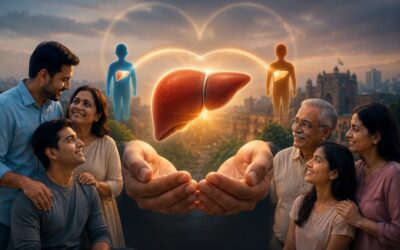
The second chance at life is a miracle—but it comes with a manual.
Amit, a 45-year-old manager at an IT firm in Baner, recently celebrated his six-month “liver-versary.” After a successful Liver Transplant, he was back to his morning walks at Balewadi High Street, feeling stronger every day. One morning, feeling particularly health-conscious, he reached for a fresh, ruby-red grapefruit juice.
“It’s natural,” he thought. “It’s packed with Vitamin C.”
What Amit didn’t realize was that he was holding a glass of biological sabotage. For a transplant recipient, that one glass of juice could have spiked the levels of his immunosuppressant medications to toxic, life-threatening levels.
At Dr. Bhate’s Gastro Liver Clinic, we believe that the journey doesn’t end when you leave the operating theater. The real work happens in your kitchen. If you are a transplant warrior in Pune, here is why you need to rethink your “healthy” shopping list.
- The Science: Why the “Grapefruit Rule” Exists
To prevent organ rejection, patients must take immunosuppressants (like Tacrolimus or Cyclosporine). These drugs are processed in your body by an enzyme called CYP3A4.
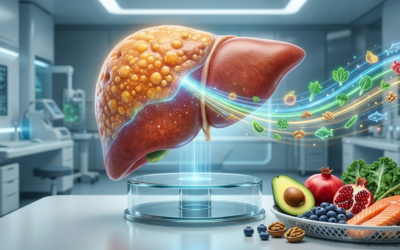
As highlighted in the Journal of Hepatology, grapefruit contains compounds called furanocoumarins. These compounds “turn off” the CYP3A4 enzyme. Without the enzyme to break it down, the medication builds up in your bloodstream. It’s like a traffic jam where the cars keep piling up—eventually, the toxicity can lead to kidney failure or severe infection.
- Five Surprising Foods to Avoid Post-Transplant
While grapefruit is the most famous offender, several other foods common in Pune households can interfere with your recovery.
- Pomegranates (Anar)
In many Indian homes, pomegranate juice is the “go-to” for building strength. However, research in the Global Medical Research Database (PMC) suggests that pomegranates may have a similar, though milder, inhibitory effect on drug-metabolizing enzymes as grapefruit. To stay on the side of caution, Dr. Bhate recommends avoiding them during the critical first year post-transplant.
- Seville Oranges (Marmalade Oranges)
Standard sweet oranges are usually safe. However, Seville oranges (often used in bitter marmalades) contain the same dangerous compounds found in grapefruit. If you’re breakfasting in a cafe in Wakad or Pimpri, always check if that “artisanal jam” contains bitter orange extracts.
III. Starfruit (Kamrakh)
A childhood favorite for many, starfruit contains substances that can be toxic to the kidneys and interfere with how your Hepatologist calibrates your medication dosage. For a transplant patient, the risk far outweighs the nostalgic flavor.
- Raw Sprouts and Unpasteurized Dairy
While usually considered “superfoods,” raw sprouts (moong, matki) carry a high risk of foodborne illnesses like Salmonella or E. coli. Because your immune system is intentionally suppressed, a simple case of food poisoning can escalate into a major medical emergency. Always cook your sprouts thoroughly.
- St. John’s Wort and Herbal Supplements
Many corporate professionals in Pune turn to herbal teas or “natural” stress relievers. St. John’s Wort is a common ingredient that does the opposite of grapefruit—it speeds up the breakdown of your meds, meaning your body might not have enough protection to prevent organ rejection. Always consult with your Liver Specialist before adding any “natural” supplement to your routine.
- The Gut Microbiome: Your New Defense System
Recent data from ZOE Gut Health and the Microsetta Initiative shows that a diverse gut microbiome can actually help stabilize your immune response.
However, post-transplant patients must be careful. While “Plant Variety” is the goal, you must focus on peeled, cooked, and washed produce. The Indian GI Clinical Guidelines (ISG) emphasize that for Indian patients, food hygiene is just as important as the nutrient profile itself.
- Chrononutrition: Timing Your Meds and Meals
Your liver’s metabolic capacity changes throughout the day. According to MyCircadianClock, taking your immunosuppressants at the same time every day—aligned with your body’s internal rhythm—is crucial for maintaining steady drug levels.
- Pro-Tip: If you take your meds on an empty stomach, keep it consistent. Switching between taking them with a heavy Pune “Misal Pav” one day and black coffee the next will cause your drug levels to fluctuate dangerously.
- Managing the “Post-Transplant Anxiety”
It is normal to feel nervous about every bite you take. Organizations like Guts Charity UK and NOTTO provide excellent support for patients navigating life after surgery.
At Dr. Bhate’s Gastro Liver Clinic, we don’t just monitor your Chronic Liver Disease or your transplant markers; we help you build a lifestyle that protects your gift of life.
Final Thoughts
A transplant is a beginning, not an end. By avoiding these 5 “silent” enemies and working closely with your clinical team, you can ensure that your new liver—and your health—remains vibrant for decades to come.
SEO Periodic Table Integration
- Quality & Depth: We’ve used specific enzyme names (CYP3A4) and clinical database links.
- Keywords: Liver Transplant Pune, Hepatologist in Balewadi, Post-Transplant Diet, Dr. Bhate Gastro.
- Consensus: All dietary advice follows Indian GI Clinical Guidelines.
- Clarity: Bullet points and bold headers for easy reading by patients.
Contact Us
Dr. Bhate’s Gastro Liver Clinic
Specialist in Hepatology, Pancreatology, and Liver Transplantation
Baner/Balewadi Address:
Third floor, Expert Superspeciality Clinic, near Lakshmi Mata Mandir, Laxmi Nagar, Balewadi Gaon, Balewadi, Pune 411045
Phone: 91-9923339241
Pimpri Address:
Gera Imperium Oasis, B 209, near Finolex Chowk, near Moolchand, Morewadi, Pimpri Colony, Pimpri-Chinchwad, Maharashtra 411018
Phone: +91-7770082211
Quick Links:
- About Dr. Bhate
- Liver Transplant Services
- Pancreatitis Care
- Hepatology Consultation
Recent Posts
-
 Grapefruit is the Enemy: 5 Surprising Foods to Avoid While Taking Post-Transplant Meds
 -
 The Donor Hero: A Guide for Pune Families Considering Living Donor Liver Transplantation
 -
 The “Silent” Yellowing: Why Early Liver Disease Often Has No Symptoms Until It’s Urgent.
 -
 Life After the Transplant: The 90-Day Emotional Blueprint for Rebuilding Trust in Your Body.
 -
 Fatty Liver 2026: Can AI-Guided Nutrition Really Reverse Your “NAFLD” Progress? By Dr. Bhate’s Gastro Liver Clinic