Introduction
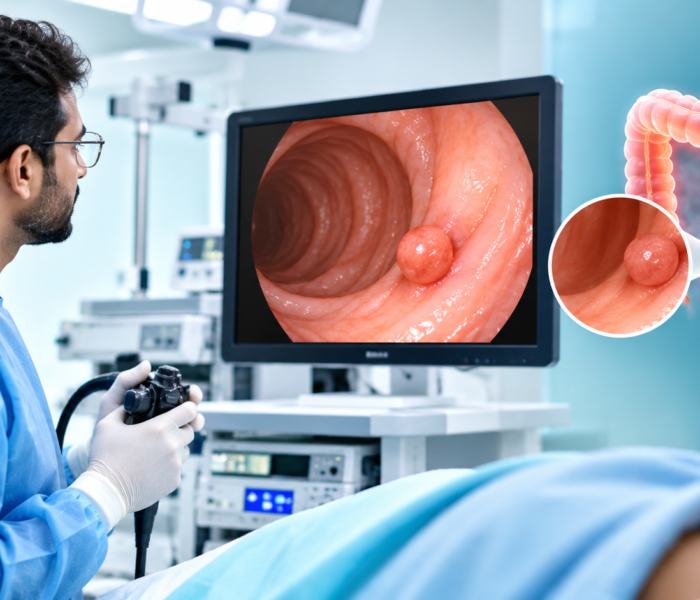
Colorectal polyps are abnormal growths that develop in the lining of the colon or rectum. Some polyps can gradually develop into colorectal cancer. Gastrointestinal cancers may also affect the oesophagus, stomach and rectum. Early detection through appropriate screening and endoscopic evaluation plays an important role in diagnosis and treatment.
Symptoms
- Blood in stools
- Persistent changes in bowel habits
- Unexplained weight loss
- Persistent abdominal discomfort
- Iron-deficiency anaemia
- Unexplained fatigue
- Persistent changes in appetite
Diagnosis & Treatment
Diagnosis may involve colonoscopy, upper GI endoscopy, biopsy and imaging investigations. Detected polyps may be removed during colonoscopy for laboratory examination. Treatment for GI cancers depends on the type, location and stage and may involve endoscopic procedures, surgery or oncology care.
Why Choose Dr. Prasad Bhate?
- 10 years of gastroenterology experience
- DM in Gastroenterology
- Expertise in diagnostic and therapeutic endoscopy
- Experience in endoscopic evaluation and polyp removal
- Patient-focused diagnostic approach
Recent Research Data
A 2025 clinical practice guideline published in The BMJ, reviewing 44 randomised trials involving more than 30,000 participants, evaluated technologies for detecting colorectal polyps during colonoscopy. The research highlights the importance of effective polyp detection and appropriate follow-up.
FAQs
1. What are colorectal polyps?
Colorectal polyps are abnormal tissue growths in the colon or rectum. Some types can develop into cancer over time.
2. Can colorectal polyps cause symptoms?
Many polyps cause no symptoms. Some may cause rectal bleeding, changes in bowel habits or anaemia.
3. How are colorectal polyps detected?
Colonoscopy is commonly used to examine the colon, identify polyps and remove suitable growths.
4. Can polyps develop into colorectal cancer?
Yes, certain polyps, particularly adenomas, can become cancerous over time if left untreated.
5. When should I undergo colorectal cancer screening?
Screening depends on age, family history, symptoms and individual risk factors. Consult a gastroenterologist for appropriate guidance.
Consult Dr. Prasad Bhate for expert colorectal polyp evaluation and gastrointestinal cancer screening in Pune.
Balewadi Clinic: Expert Superspeciality Clinic, 3rd Floor, Near Lakshmi Mata Mandir, Balewadi Gaon, Pune – 411045.
Pimpri-Chinchwad Clinic: Gera Imperium Oasis, B-209, Near Finolex Chowk, Morewadi, Pimpri Colony – 411018.
Appointment: +91-7770082211