Fatty Liver Without Alcohol? Understanding the Truth About MASLD
Introduction
Many people believe that fatty liver disease only affects those who consume large amounts of alcohol. However, that is a common misconception. Today, a significant number of people who rarely drink alcohol—or avoid it completely—are being diagnosed with a condition known as Metabolic Dysfunction-Associated Steatotic Liver Disease (MASLD).
MASLD occurs when excess fat builds up in the liver due to metabolic health problems rather than alcohol consumption. The condition is becoming increasingly common because of rising rates of obesity, diabetes, unhealthy eating habits, and inactive lifestyles.
One of the biggest concerns about MASLD is that it often develops quietly. Most individuals do not experience noticeable symptoms during the early stages, allowing liver damage to progress unnoticed. If left unmanaged, MASLD can lead to liver inflammation, fibrosis, cirrhosis, and, in severe cases, liver failure.
Understanding the condition and recognizing the risk factors can help individuals take timely action to protect their liver health.
What Is MASLD?
A Modern Liver Disease Linked to Metabolic Health
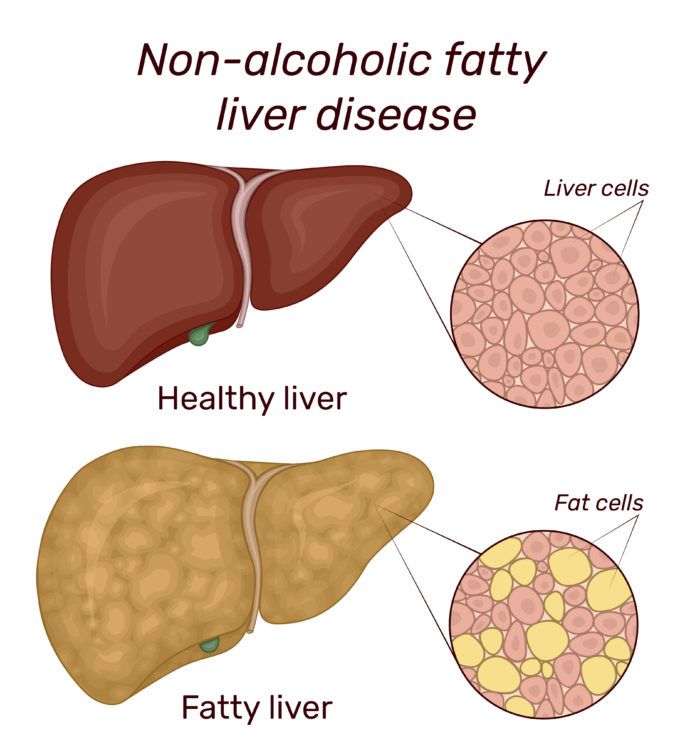
MASLD is a condition in which fat accumulates inside liver cells in people who consume little or no alcohol. Rather than being caused by alcohol, the disease is strongly associated with metabolic health disorders that affect the body’s ability to process and store fat effectively.
The condition was previously known as Non-Alcoholic Fatty Liver Disease (NAFLD). The updated term, MASLD, highlights the important role that metabolic dysfunction plays in the development of the disease.
Why Are More People Developing MASLD?
Modern lifestyles have significantly contributed to the growing number of MASLD cases worldwide.
Many people spend long hours sitting, engage in minimal physical activity, consume calorie-dense processed foods, and struggle with weight management. These factors can disrupt normal metabolic processes and encourage fat storage within the liver.
As conditions such as obesity, diabetes, and metabolic syndrome continue to rise, MASLD has become one of the most common liver disorders globally.
What Causes Fatty Liver in Non-Drinkers?
Looking Beyond Alcohol
Although alcohol-related liver disease is well known, several non-alcohol-related factors can also lead to fat accumulation in the liver.
Common Contributors to MASLD
- Excess body weight and obesity
- Type 2 diabetes
- Insulin resistance
- Elevated cholesterol levels
- High triglycerides
- High blood pressure
- Physical inactivity
- Diets high in refined sugars and processed foods
- Polycystic Ovary Syndrome (PCOS)
- Obstructive sleep apnea and other sleep-related disorders
These conditions can alter the way the body handles fats and sugars, increasing the likelihood of fat being stored in the liver.
Symptoms of MASLD
Why the Disease Often Goes Unnoticed
A major challenge with MASLD is that it frequently causes no obvious symptoms during its early stages. Many individuals discover the condition only after undergoing routine blood tests or abdominal imaging for unrelated reasons.
Possible Warning Signs
Some people may experience:
- Ongoing fatigue
- Low energy levels
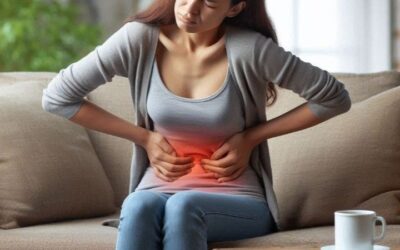
- A feeling of heaviness or discomfort in the upper right side of the abdomen
- Difficulty managing weight
- Abnormal liver function test results
As liver damage advances, symptoms may become more pronounced and can include swelling of the abdomen, yellowing of the eyes or skin, and other signs of advanced liver disease.
Who Has a Higher Risk of MASLD?
Certain groups are more vulnerable to developing fatty liver disease, even in the absence of alcohol consumption.
Individuals at Increased Risk Include:
- People who are overweight or obese
- Individuals living with diabetes
- Those with abnormal cholesterol levels
- Patients with high blood pressure
- People diagnosed with metabolic syndrome
- Individuals with a family history of metabolic disorders
- Those with sedentary lifestyles
Importantly, MASLD is not limited to people who are visibly overweight. Some individuals with normal body weight may also develop the condition if metabolic abnormalities are present.
Why Early Attention Matters
The Hidden Progression of Liver Damage
Because MASLD often develops without symptoms, many people underestimate its potential impact. However, the disease can gradually progress over time.
Stages of MASLD
Fat Accumulation (Steatosis)
Fat begins to collect within liver cells with little or no immediate damage.
Liver Inflammation
Persistent fat accumulation can trigger inflammation, causing injury to liver tissue.
Liver Fibrosis
Repeated inflammation may lead to the formation of scar tissue within the liver.
Liver Cirrhosis
Extensive scarring can severely affect liver function and increase the risk of serious complications.
The earlier MASLD is identified, the greater the opportunity to prevent or reverse liver damage.
How Is MASLD Diagnosed?
Detecting Liver Problems Before Symptoms Develop
People with risk factors should consider regular liver health assessments, even if they feel completely well.
Common Diagnostic Methods
Blood Investigations
Blood tests can help identify abnormal liver enzyme levels that may indicate liver stress or injury.
Liver Ultrasound
Ultrasound imaging can reveal the presence of excess fat within the liver.
FibroScan Assessment
FibroScan is a non-invasive and painless technology that measures both liver stiffness and liver fat content. It helps doctors evaluate the severity of liver involvement and identify fibrosis without requiring surgery or a biopsy in many cases.
Additional Testing
Advanced imaging studies or liver biopsy may occasionally be recommended when further evaluation is necessary.
Early diagnosis allows patients to begin lifestyle modifications before irreversible damage develops.
Can Fatty Liver Be Reversed?
In Many Cases, Absolutely
One of the most encouraging aspects of MASLD is that early-stage disease can often improve significantly with appropriate lifestyle changes.
Steps That Support Liver Recovery
Achieve Sustainable Weight Loss
A modest reduction in body weight can substantially decrease liver fat and improve overall liver health.
Make Healthier Food Choices
A liver-friendly diet typically includes:
- Fresh vegetables and fruits
- Whole grains
- Lean sources of protein
- Healthy fats from nuts, seeds, and fish
- Reduced intake of sugary foods and beverages
Increase Physical Activity
Regular exercise helps improve insulin sensitivity and reduce liver fat accumulation.
Manage Underlying Health Conditions
Proper control of diabetes, cholesterol, and blood pressure can slow or prevent disease progression.
Seek Professional Medical Advice
Avoid relying on unverified supplements or products marketed as liver cleansers. Medical guidance is essential for safe and effective treatment.
Practical Ways to Protect Your Liver
Maintaining liver health often comes down to consistent daily habits.
Healthy Lifestyle Habits Include:
- Maintaining a healthy weight
- Exercising regularly
- Following a balanced diet
- Limiting added sugars
- Getting adequate sleep
- Managing stress levels
- Monitoring blood sugar and cholesterol
- Attending regular health check-ups
Small improvements made consistently can have a lasting impact on liver health.
Conclusion
Fatty liver disease is not always related to alcohol consumption. MASLD is a metabolic liver condition that is increasingly affecting people of all ages, particularly those with obesity, diabetes, high cholesterol, or insulin resistance.
Because the disease often develops silently, regular screening and awareness are essential. The good news is that early-stage MASLD can frequently be improved—and sometimes reversed—through healthy lifestyle changes, weight management, and proper medical care.
If you have risk factors for fatty liver disease, consider getting your liver evaluated before symptoms appear. Early action can help prevent long-term liver complications and support better overall health.
Consult Dr. Prasad Bhate
Gastro Liver Clinic – Pimpri
Dr. Prasad Bhate
Consultant Gastroenterologist & Hepatologist
Gera’s Imperium Oasis, B-210, Near Finolex Chowk, Morewadi, Pimpri Colony, Pimpri-Chinchwad, Maharashtra 411018
Mobile No: +917770082211
Expert Superspeciality Clinic – Balewadi
Dr. Prasad Bhate
Consultant Gastroenterologist & Hepatologist
Third Floor, Expert Superspeciality Clinic, Near Lakshmi Mata Mandir, Laxmi Nagar, Balewadi, Pune, Maharashtra 411045
Mobile No: +917770082211
Take the first step toward better liver health. Schedule a consultation with Dr. Prasad Bhate for expert evaluation, personalized treatment, and guidance on preventing and managing MASLD.
Recent Posts
-
 Fibermaxxing for Indians: Why Varan Bhaat and Ghee are the Original Gut Superfoods By Dr. Bhate’s Gastro Liver Clinic
 -
 Alcohol and the “Social” Liver: How Weekend Drinks in Balewadi High Street Impact Your 10-Year Health
 -
 Grapefruit is the Enemy: 5 Surprising Foods to Avoid While Taking Post-Transplant Meds
 -
 The Donor Hero: A Guide for Pune Families Considering Living Donor Liver Transplantation
 -
 The “Silent” Yellowing: Why Early Liver Disease Often Has No Symptoms Until It’s Urgent.