Non-Surgical Treatments for Digestive Disorders
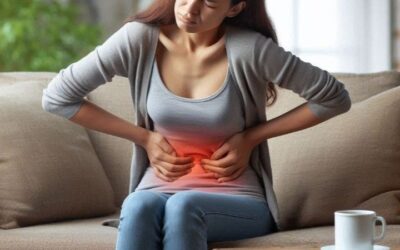
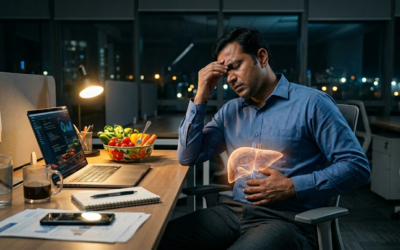
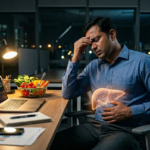
Digestive disorders are becoming increasingly common due to modern lifestyles. Irregular eating habits, high stress levels, and lack of physical activity can negatively impact our digestive health. As a result, many people experience issues such as acidity, bloating, and constipation. In some cases, these can develop into more serious conditions like Irritable Bowel Syndrome and Gastritis.
These problems can disrupt daily life and affect overall well-being. The good news is that surgery is not always necessary. Many digestive conditions can be effectively managed with non-surgical treatments that focus on long-term healing and prevention.
This blog explores the most effective non-surgical approaches to managing digestive disorders and improving overall gut health.
Understanding Digestive Disorders
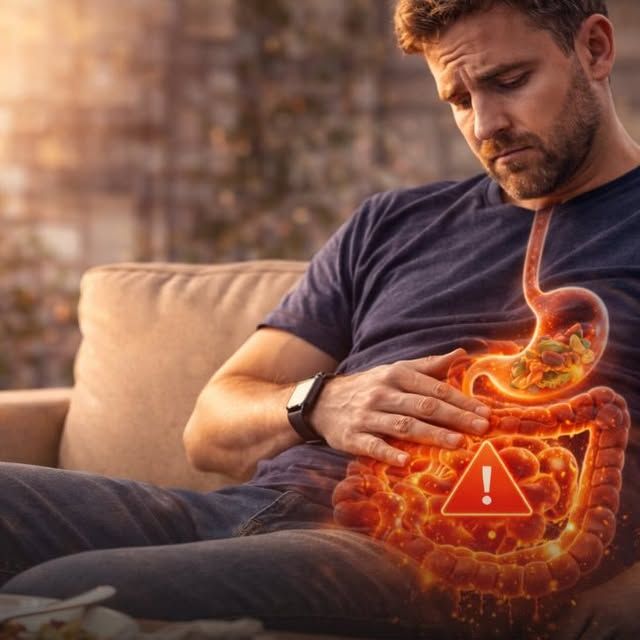
Digestive disorders affect organs involved in the digestion process, including the stomach, intestines, liver, and esophagus. These conditions can range from mild discomfort to chronic illnesses requiring ongoing care.
Common Symptoms Include:
- Abdominal cramps
- Bloating and gas
- Heartburn or acid reflux
- Constipation or diarrhea
- Nausea and vomiting
These symptoms may arise due to poor diet, infections, stress, or underlying medical conditions. Early diagnosis and treatment are essential to prevent complications and ensure better outcomes.
Medications for Symptom Relief
Medications are often the first step in managing digestive disorders. Based on the condition, doctors may recommend:
- Proton Pump Inhibitors (PPIs): Reduce stomach acid and relieve conditions like Gastroesophageal Reflux Disease
- Probiotics: Improve gut bacteria balance and support digestion
- Laxatives or Stool Softeners: Help relieve constipation
- Antibiotics: Used to treat infections such as Helicobacter pylori infection
These medications help control symptoms, reduce inflammation, and promote healing. However, they should always be taken under medical supervision to avoid side effects or long-term dependency.
Diet and Lifestyle Modifications
Lifestyle changes play a crucial role in managing digestive disorders. Since the digestive system is highly sensitive to daily habits, small adjustments can make a significant difference.
Healthy Practices to Follow:
- Eat smaller, more frequent meals
- Avoid oily, spicy, and processed foods
- Increase intake of fiber-rich foods like fruits and vegetables
- Drink plenty of water throughout the day
- Maintain consistent meal timings
These changes can greatly improve digestion and reduce the frequency of symptoms.
Managing Stress for Better Digestion
Stress has a direct impact on digestive health. Conditions such as Irritable Bowel Syndrome and acid reflux often worsen with anxiety and mental strain.
Incorporating stress management techniques can significantly improve gut function. Some effective methods include:
- Yoga
- Meditation
- Deep breathing exercises
Managing stress is an essential part of non-surgical treatment and contributes to overall well-being.
Endoscopic Procedures
Endoscopic procedures are advanced, minimally invasive techniques used to diagnose and treat digestive disorders without surgery.
Common Procedures Include:
- Endoscopy: Examines the upper digestive tract
- Colonoscopy: Evaluates the colon and rectum
- Therapeutic Endoscopy: Treats conditions such as polyps or internal bleeding
These procedures are safe, quick, and usually require minimal recovery time. They often help in early detection and can eliminate the need for surgical intervention.
Gut Health Restoration Therapies
A healthy gut microbiome is essential for proper digestion and strong immunity. Modern treatments focus on restoring the balance of beneficial bacteria in the digestive system.
Effective Therapies Include:
- Probiotic and prebiotic supplements
- Personalized nutrition plans
- Liver support and detox programs
- Functional medicine approaches
These therapies address the root cause of digestive issues rather than just managing symptoms, leading to long-term improvement.
Personalized Treatment Plans
Every individual experiences digestive problems differently. A personalized treatment plan ensures that care is tailored according to the patient’s condition, lifestyle, and medical history.
A gastroenterologist may combine medications, dietary changes, and advanced therapies to create a comprehensive treatment strategy. This approach improves effectiveness and reduces the chances of recurrence.
Conclusion
Digestive disorders can significantly impact comfort, productivity, and quality of life. However, they do not always require surgical treatment. With the right combination of medications, lifestyle modifications, and advanced non-surgical therapies, most digestive conditions can be effectively managed.
If you are experiencing symptoms such as acidity, bloating, abdominal pain, or irregular bowel movements, it is important to seek timely medical advice. Early diagnosis and proper care can prevent complications and help you lead a healthier life.
Consult a Specialist
For expert consultation and non-surgical digestive care, you can visit:
Dr. Prasad Bhate
Clinic Address 1:
Third Floor Expert Superspeciality Clinic, near Lakshmi Mata Mandir,
Laxmi Nagar, Balewadi Gaon, Balewadi, Pune, Maharashtra 411045
Phone: 099233 39241
Clinic Address 2:
Gera Imperium Oasis, B 210 near Finolex Chowk, near Moolchand,
Morewadi, Pimpri Colony, Pimpri-Chinchwad, Maharashtra 411018 India
Phone: +91 77700 82211
Recent Posts
-
 Fibermaxxing for Indians: Why Varan Bhaat and Ghee are the Original Gut Superfoods By Dr. Bhate’s Gastro Liver Clinic
 -
 Alcohol and the “Social” Liver: How Weekend Drinks in Balewadi High Street Impact Your 10-Year Health
 -
 Grapefruit is the Enemy: 5 Surprising Foods to Avoid While Taking Post-Transplant Meds
 -
 The Donor Hero: A Guide for Pune Families Considering Living Donor Liver Transplantation
 -
 The “Silent” Yellowing: Why Early Liver Disease Often Has No Symptoms Until It’s Urgent.