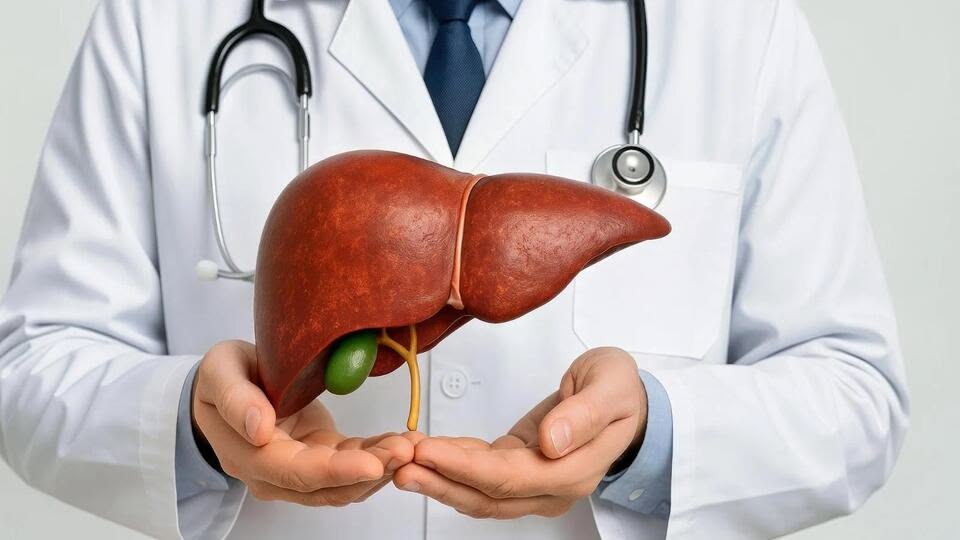
Can Fatty Liver Be Reversed? A Complete Guide for People Living with MASLD
Receiving a diagnosis of fatty liver disease often raises many questions. One of the first concerns most patients have is whether the condition can be cured or reversed before it causes permanent damage.
Fortunately, for many individuals, the answer is yes.
Fatty liver disease related to metabolic health problems—known as Metabolic Dysfunction-Associated Steatotic Liver Disease (MASLD)—can often improve significantly when appropriate lifestyle changes are made early. Since the liver is one of the body’s most resilient organs, it has the ability to repair itself when harmful factors are removed.
However, recovery depends on how advanced the condition is and how quickly action is taken. Understanding the disease, recognizing its risk factors, and following a structured treatment plan can help protect liver function and prevent future complications.
What Is MASLD?
MASLD is a chronic liver condition that develops when excessive fat accumulates inside liver cells due to metabolic health disturbances rather than alcohol use.
The disease is commonly seen in people who have conditions such as:
- Obesity
- Type 2 diabetes
- Insulin resistance
- High cholesterol
- Elevated triglycerides
- High blood pressure
- Metabolic syndrome
Because MASLD often develops gradually and silently, many people are unaware they have it until routine investigations reveal abnormal liver findings.
Why Does Fat Build Up in the Liver?
The liver plays a central role in processing fats, sugars, and nutrients. When the body’s metabolism becomes imbalanced, excess calories are converted into fat and stored in different organs, including the liver.
Several factors can contribute to this process:
- Excess body weight, especially around the abdomen
- Frequent consumption of processed and sugary foods
- Physical inactivity
- Poor blood sugar control
- Genetic predisposition
- Sleep-related disorders
- Hormonal imbalances
Over time, the accumulation of fat may trigger inflammation and damage to liver tissue if corrective measures are not taken.
Can Fatty Liver Disease Be Reversed?
In Many Cases, Yes
One of the most encouraging aspects of MASLD is that liver fat can decrease significantly when the underlying metabolic issues are addressed.
Unlike certain chronic diseases where damage cannot be undone, early-stage fatty liver often responds remarkably well to weight loss, exercise, and dietary improvements.
The possibility of reversal depends largely on the stage of liver involvement.
Understanding the Stages of MASLD
Simple Fatty Liver
This is the earliest stage, where fat is present within liver cells but significant injury has not yet occurred.
Most people diagnosed at this stage can achieve substantial improvement and, in many cases, complete resolution of excess liver fat.
Fatty Liver with Inflammation
As the condition progresses, inflammation may develop within the liver tissue.
Although the liver is under greater stress, lifestyle intervention can still produce meaningful recovery and reduce inflammation.
Fibrosis
Ongoing inflammation can stimulate the formation of scar tissue.
While fibrosis may improve in some patients, recovery generally takes longer and requires careful monitoring.
Cirrhosis
This advanced stage involves extensive scarring that interferes with normal liver function.
Although treatment can slow further damage, some structural changes may be permanent. This is why early detection is so important.
Symptoms That May Indicate Fatty Liver Disease
Many people with MASLD feel completely normal, especially during the early stages.
When symptoms occur, they are often subtle and may include:
- Persistent tiredness
- Reduced stamina
- A feeling of heaviness in the upper abdomen
- Difficulty losing weight
- Unexplained metabolic abnormalities
- Elevated liver enzymes detected during routine blood testing
Because symptoms are often nonspecific, regular screening is recommended for individuals with metabolic risk factors.
Lifestyle Changes That Help Reverse Fatty Liver
Focus on Healthy Weight Reduction
Weight loss remains one of the most effective strategies for reducing liver fat.
Research consistently shows that even moderate weight reduction can improve liver function and decrease inflammation.
The goal should be gradual, sustainable weight loss rather than extreme dieting.
Improve Daily Food Choices
Diet plays a major role in liver recovery.
A liver-supportive eating plan should emphasize:
- Fresh vegetables
- Fruits in moderation
- Whole grains
- Lean protein sources
- Legumes
- Nuts and seeds
- Healthy fats
Reducing the intake of the following foods can also be beneficial:
- Sugar-sweetened beverages
- Refined carbohydrates
- Processed snacks
- Fast foods
- Deep-fried items
Long-term dietary consistency is far more effective than short-term restrictive diets.
Stay Physically Active
Exercise helps the body burn stored fat more efficiently and improves insulin sensitivity.
Regular physical activity can lower liver fat levels even before significant weight loss occurs.
Activities such as:
- Walking
- Jogging
- Cycling
- Swimming
- Resistance training
can all contribute to better metabolic and liver health.
Experts generally recommend at least 150 minutes of moderate physical activity each week.
Manage Associated Health Conditions
MASLD rarely exists in isolation.
Controlling conditions such as:
- Diabetes
- High cholesterol
- High triglycerides
- High blood pressure
can greatly reduce the risk of liver disease progression.
Working closely with a healthcare professional ensures that these conditions are managed effectively.
Is There a Medicine That Cures Fatty Liver?
At present, there is no single medication that can completely eliminate MASLD.
Current treatment strategies focus on addressing the factors that contribute to fat accumulation and liver injury.
Depending on individual needs, doctors may recommend therapies aimed at:
- Blood sugar management
- Cholesterol reduction
- Weight control
- Cardiovascular risk reduction
Despite advances in treatment, lifestyle modification remains the cornerstone of successful management.
How Is Recovery Measured?
Regular follow-up is important to determine whether liver health is improving.
Common Monitoring Methods
Blood Investigations
These tests help assess liver enzyme levels and evaluate overall liver function.
Ultrasound Examination
Ultrasound can identify fat deposits within the liver and monitor changes over time.
FibroScan Assessment
FibroScan is a non-invasive technology that measures both liver fat and liver stiffness. It provides valuable information about fibrosis without requiring a surgical procedure or biopsy in many patients.
Regular assessments can help track progress and guide future treatment decisions.
How Quickly Can the Liver Improve?
There is no universal timeline because every individual is different.
Improvement depends on factors such as:
- Initial severity of liver disease
- Degree of weight loss achieved
- Consistency of dietary changes
- Exercise habits
- Blood sugar control
- Cholesterol management
Many patients begin to see measurable improvements within a few months, while others may require a longer period of sustained effort.
The key is consistency rather than perfection.
Preventing Fatty Liver from Returning
Successfully reducing liver fat does not mean the work is over.
Maintaining healthy habits is essential for long-term liver protection.
Practical Prevention Tips
- Keep your weight within a healthy range
- Exercise regularly
- Choose nutrient-rich foods
- Limit added sugars
- Monitor metabolic health markers
- Attend routine medical check-ups
- Follow medical advice consistently
Healthy daily habits can significantly reduce the likelihood of recurrence.
Conclusion
A diagnosis of MASLD does not necessarily mean permanent liver damage. In fact, many people can significantly improve their liver health through early intervention and sustained lifestyle changes.
Weight management, nutritious eating habits, regular physical activity, and proper control of metabolic conditions are among the most effective tools for reversing fatty liver disease.
Because MASLD often develops without obvious symptoms, timely screening and regular liver assessments are crucial. Taking action early can help prevent progression to fibrosis, cirrhosis, and other serious liver complications.
If you have diabetes, obesity, high cholesterol, abnormal liver tests, or other metabolic risk factors, consider having your liver evaluated. Early awareness and proactive management can make a meaningful difference to your long-term health.
Consult Dr. Prasad Bhate
Gastro Liver Clinic – Pimpri
Dr. Prasad Bhate
Consultant Gastroenterologist & Hepatologist
Gera’s Imperium Oasis, B-210, Near Finolex Chowk, Morewadi, Pimpri Colony, Pimpri-Chinchwad, Maharashtra 411018
Mobile No: +917770082211
Expert Superspeciality Clinic – Balewadi
Dr. Prasad Bhate
Consultant Gastroenterologist & Hepatologist
Third Floor, Expert Superspeciality Clinic, Near Lakshmi Mata Mandir, Laxmi Nagar, Balewadi, Pune, Maharashtra 411045
Mobile No: +917770082211
Take a proactive approach to your liver health. Schedule a consultation with Dr. Prasad Bhate for expert evaluation, FibroScan assessment, and personalized guidance for managing and reversing fatty liver disease.
Recent Posts
-
 Fibermaxxing for Indians: Why Varan Bhaat and Ghee are the Original Gut Superfoods By Dr. Bhate’s Gastro Liver Clinic
 -
 Alcohol and the “Social” Liver: How Weekend Drinks in Balewadi High Street Impact Your 10-Year Health
 -
 Grapefruit is the Enemy: 5 Surprising Foods to Avoid While Taking Post-Transplant Meds
 -
 The Donor Hero: A Guide for Pune Families Considering Living Donor Liver Transplantation
 -
 The “Silent” Yellowing: Why Early Liver Disease Often Has No Symptoms Until It’s Urgent.