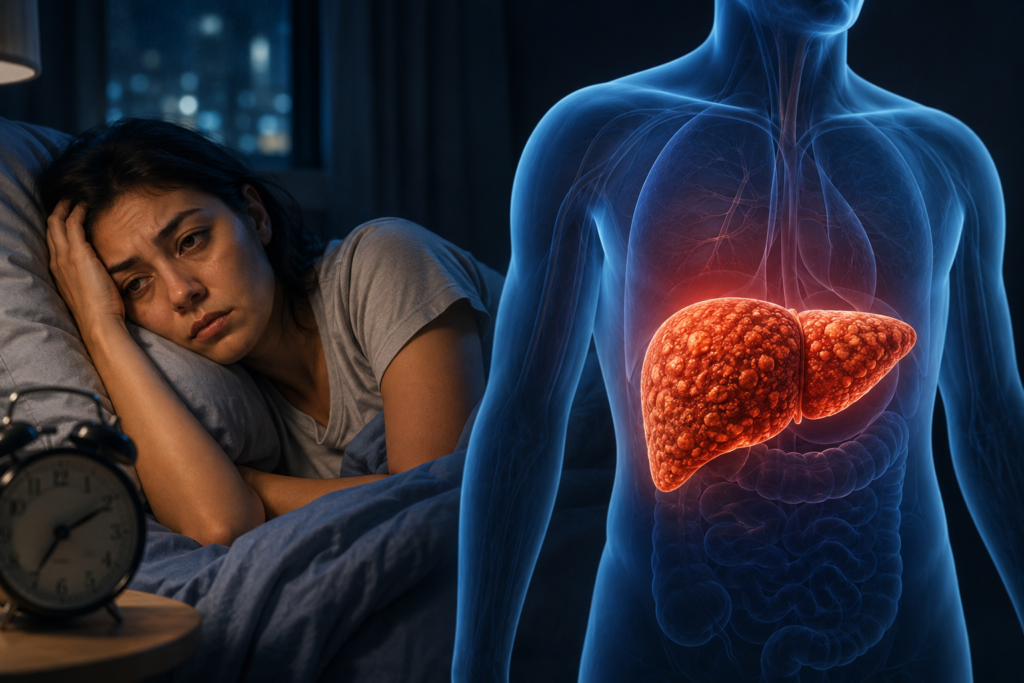
Can Poor Sleep Damage Your Liver? What You Need to Know
In today’s busy lifestyle, sleep is often treated as optional. Late-night work, endless scrolling, and daily stress make it easy to sacrifice rest without thinking twice. Most people notice the immediate effects—feeling tired, irritable, or unfocused—but what often goes unnoticed is how poor sleep quietly affects vital organs like the liver.
According to Dr. Prasad Bhate, a leading gastroenterologist and liver specialist in Pune, sleep plays a much bigger role in liver health than most people realize. Over time, poor sleep habits can contribute to serious liver-related problems if left unaddressed.
How Sleep Supports Liver Health
Your liver is constantly working—filtering toxins, processing nutrients, and supporting metabolism. While it functions throughout the day, night-time is when it focuses on repair and recovery.
When you sleep well, your body gets the chance to restore itself, and your liver can efficiently repair damaged cells and flush out toxins. But when sleep is cut short or disrupted, this natural repair process is interrupted. Over time, this can put extra strain on the liver and affect how well it performs its functions.
How Poor Sleep Can Affect Your Liver
Disrupted Detox Process
One of the liver’s main roles is to remove toxins from the body. Poor sleep interferes with this process, leading to a buildup of harmful substances that can stress the liver.
Higher Risk of Fatty Liver Disease
Research shows that people who consistently sleep less than 6 hours are more likely to develop fatty liver, even without alcohol consumption. Poor sleep affects metabolism, which can lead to fat accumulation in the liver.
Hormonal Imbalance
Sleep regulates important hormones related to metabolism and energy use. When sleep is disturbed, it can lead to insulin resistance and increased fat storage—both of which negatively impact liver health.
Increased Inflammation
Lack of sleep triggers inflammation in the body. Over time, this can damage liver cells and reduce the liver’s ability to function effectively.
Signs Your Liver Might Be Under Stress
Liver problems don’t always show obvious symptoms early on, but there are some warning signs you should pay attention to:
- Feeling constantly tired even after resting
- Frequent bloating or abdominal discomfort
- Reduced appetite
- Sudden weight gain or loss
- Yellowing of the skin or eyes (in advanced stages)
If these symptoms persist, it’s important to consult a specialist for proper evaluation.
Why Working Professionals Are More at Risk
Modern work culture makes it difficult to maintain healthy sleep patterns, which indirectly affects liver health.
Irregular Sleep Cycles
Late nights, shift work, and excessive screen time disturb your natural sleep rhythm.
High Stress Levels
Stress not only affects how well you sleep but also disrupts hormones that influence liver function.
Unhealthy Eating Patterns
Late-night meals, processed foods, and occasional alcohol consumption add extra pressure on the liver.
Lack of Physical Activity
Sitting for long hours slows metabolism, increasing the chances of fat buildup in the liver.
Simple Ways to Protect Your Liver
Taking care of your liver doesn’t require drastic changes—just consistent habits.
- Try to sleep and wake up at the same time every day
- Reduce screen time before going to bed
- Eat a balanced diet with plenty of fruits, vegetables, and whole grains
- Limit alcohol consumption
- Stay physically active with regular exercise
- Practice stress management techniques like meditation or yoga
These small steps can go a long way in improving both your sleep and liver health.
When Should You See a Doctor?
If you’re dealing with ongoing sleep problems along with fatigue, digestive discomfort, or unusual symptoms, it’s best not to ignore them.
Consulting an experienced expert like Dr. Prasad Bhate can help identify the underlying cause early and prevent more serious complications.
Conclusion
Sleep is not just about feeling rested—it’s essential for keeping your body, especially your liver, healthy. Ignoring poor sleep habits can gradually affect liver function and lead to long-term health issues.
Making simple changes like improving your sleep routine, eating better, and staying active can make a significant difference. And if symptoms continue, seeking timely medical advice is always the right step.
Because in the end, protecting your liver could be as simple as getting a good night’s sleep
Dr. Name: Dr. (Gastro Specialist)
Clinic Address 1:
Third Floor Expert Superspeciality Clinic, near Lakshmi Mata Mandir,
Laxmi Nagar, Balewadi Gaon, Balewadi, Pune, Maharashtra 411045
Phone: 099233 39241
Clinic Address 2:
Gera Imperium Oasis, B 210 near Finolex Chowk, near Moolchand,
Morewadi, Pimpri Colony, Pimpri-Chinchwad, Maharashtra 411018 India
Phone: +91 77700 82211
Recent Posts
-
 Fibermaxxing for Indians: Why Varan Bhaat and Ghee are the Original Gut Superfoods By Dr. Bhate’s Gastro Liver Clinic
 -
 Alcohol and the “Social” Liver: How Weekend Drinks in Balewadi High Street Impact Your 10-Year Health
 -
 Grapefruit is the Enemy: 5 Surprising Foods to Avoid While Taking Post-Transplant Meds
 -
 The Donor Hero: A Guide for Pune Families Considering Living Donor Liver Transplantation
 -
 The “Silent” Yellowing: Why Early Liver Disease Often Has No Symptoms Until It’s Urgent.