Why Gut Health Matters: Simple Tips for a Healthy Digestive System
When we think about good health, we often focus on eating right, staying active, or getting enough sleep. But one important aspect many people overlook is gut health. Your digestive system does much more than break down food—it affects your immunity, your energy levels, your mood, and even the way your body fights diseases. When your gut is healthy, you feel healthier overall. When it isn’t, your whole body can feel out of balance.
Today, many people face digestive problems like acidity, bloating, gas, constipation, and indigestion. These issues often come from modern lifestyle habits—irregular meals, lack of exercise, processed foods, and high stress. Understanding why gut health matters and making simple changes can transform your well-being.
Why Gut Health Matters
- A Healthy Gut Supports Strong Immunity
Around 70% of your immune system lives in your digestive tract. A balanced gut helps your body fight infections, harmful bacteria, and inflammation. When gut health improves, your overall immunity becomes stronger.
- Your Gut Affects Your Mood
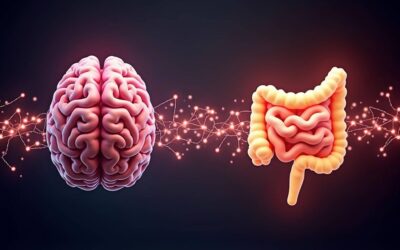
You may have heard of the gut–brain connection. Your gut produces hormones like serotonin, often called the happy hormone. When the gut is upset, mood changes, anxiety, and irritability are more common. A healthy digestive system can help you feel calmer and more balanced every day.
- Digestive Health Affects Energy Levels
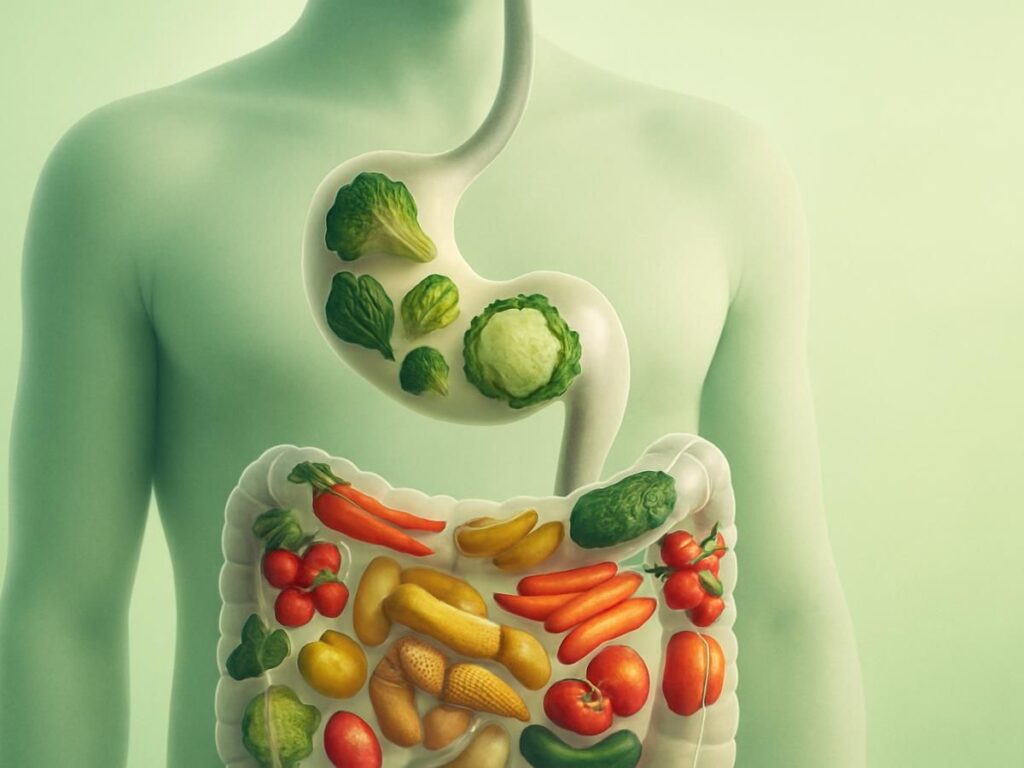
Your body absorbs nutrients through the digestive system. If your gut is not functioning well, the body cannot get enough vitamins and minerals from food. This can lead to fatigue, weakness, and poor concentration. Improving gut health helps you stay energetic and active.
- Gut Bacteria Play a Big Role
Your digestive system contains trillions of good bacteria known as the gut microbiome. These bacteria help digestion, protect against harmful germs, and reduce inflammation. An unhealthy diet, antibiotics, and lack of fiber can disturb this balance, causing various digestive problems.
Simple Tips for a Healthy Digestive System
You don’t need complicated diets or expensive supplements to improve gut health. Small, consistent habits can make a big difference.
- Add More Fiber-Rich Foods
Fiber supports smooth digestion and prevents constipation. Include:
- Whole grains (oats, brown rice)
- Fruits (apple, banana, papaya)
- Vegetables (broccoli, carrots, spinach)
- Beans and legumes
Aim to include fiber in every meal for better digestion.
- Stay Hydrated Throughout the Day
Water helps your digestive system break down food and move waste smoothly. Dehydration leads to constipation, acidity, and bloating. Try drinking 6–8 glasses of water daily.
- Include Probiotics and Fermented Foods
Probiotics boost good bacteria in your gut. Add foods like:
- Curd/yogurt
- Buttermilk
- Idli, dosa batter
- Pickles (in moderation)
- Kefir or sauerkraut (if available)
These help maintain a healthy gut microbiome.
- Chew Your Food Slowly
Many digestive problems occur because we eat too fast. Slow, mindful eating improves digestion and reduces acidity, gas, and bloating.
- Limit Processed and Oily Foods
Highly processed snacks, sugary foods, and fried items reduce good bacteria and increase inflammation. Try to limit:
- Fast food
- Packaged snacks
- Soft drinks
- Excessive sweets
Choose fresh, home-cooked meals whenever possible.
- Manage Stress
Stress directly affects gut function. It can trigger acidity, IBS, indigestion, and even stomach pain. Simple practices like:
- Deep breathing
- Yoga
- Walking
- Listening to music
- Meditation
can help calm your digestive system.
- Stay Active
Physical activity supports good digestion. Even a 20–30 minute walk after meals helps prevent acidity, bloating, and weight gain. Regular exercise keeps your digestive muscles active and healthy.
- Maintain a Regular Meal Routine
Irregular eating—skipping meals, late dinners, overeating—disturbs digestion. Try to:
- Eat at the same time daily
- Avoid heavy meals late at night
- Sleep at least 2 hours after dinner
This keeps your digestive system in rhythm.
- Avoid Overuse of Painkillers
Frequent use of painkillers or antibiotics can harm the stomach lining and reduce good gut bacteria. Always take medicines only when prescribed by a doctor.
- Listen to Your Body
If you experience symptoms like severe acidity, ongoing constipation, bloating, blood in stool, or unexplained weight loss, do not ignore them. These can be early signs of digestive diseases that require professional care.
Conclusion
A healthy gut is the foundation of a healthy life. By making small but meaningful changes—like adding fiber, drinking more water, staying active, and reducing stress—you can significantly improve your digestion and overall well-being. If your symptoms are persistent or troubling, it’s best to seek guidance from an expert.
Dr. Prasad Bhate – Gastroenterologist & Liver Specialist in Pune
Address 1- Gera imperium oasis, B 210, near Finolex Chowk, near Moolchand, Morewadi, Pimpri Colony, Pimpri-Chinchwad, Maharashtra 411018, India
Phone: +917770082211
Address 2– Third floor, Expert Superspeciality Clinic, near Lakshmi Mata Mandir, Laxmi Nagar, Balewadi Gaon, Balewadi, Pune, Maharashtra 411045
Phone: +919923339241
Recent Posts
-
 Why Gut Health Matters: Simple Tips for a Healthy Digestive System
 -
 Early Signs of Liver Disease You Should Never Ignore
 -
 Managing Chronic Hepatitis: Long-Term Care and Lifestyle Changes
 -
 Early Signs of Liver Fibrosis & How It’s Diagnosed With Advanced Testing
 -
 Non-Alcoholic Fatty Liver Disease (NAFLD): Causes, Diagnosis & Modern Treatment Options