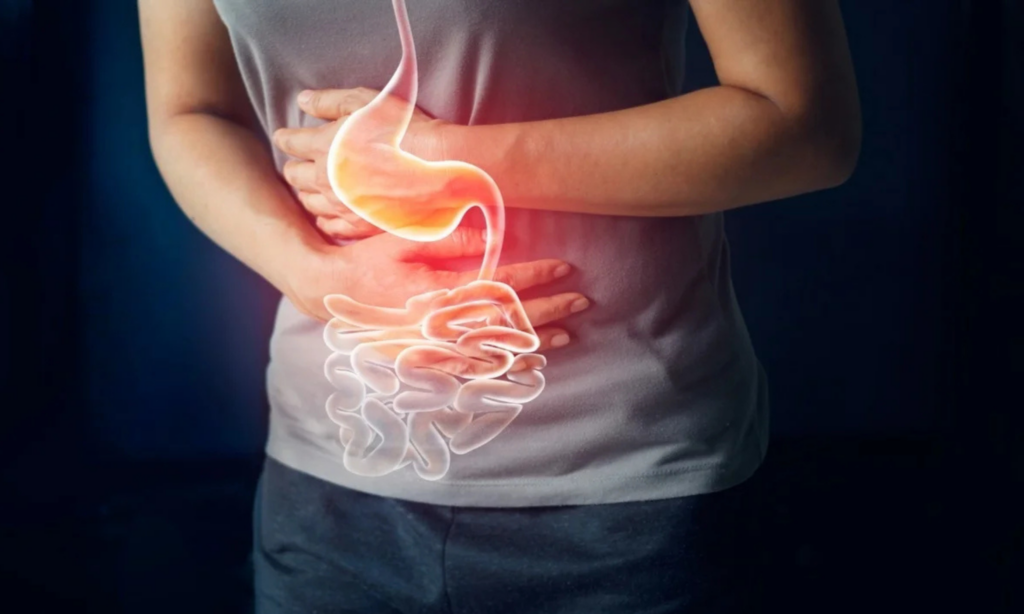
The pancreas plays a crucial role in digestion and blood sugar regulation, but when it becomes inflamed, it can cause a painful and potentially serious condition known as Pancreatitis. In recent years, pancreatic diseases have become more prevalent due to lifestyle changes, dietary habits, and increasing alcohol consumption.
If you or a loved one have experienced persistent abdominal pain, nausea, or digestive distress, it’s essential to consult a Gastroenterologist in Pune for a proper diagnosis and timely treatment. Dr Prasad Bhate, a leading Gastroenterologist in Baner, Aundh & PCMC is known for his expertise in managing pancreatic disorders using modern and minimally invasive treatment techniques.
This comprehensive guide will help you understand Pancreatitis – its causes, symptoms, diagnosis, and advanced treatment options available in Pune.
What is Pancreatitis?
Pancreatitis is an inflammation of the pancreas, an organ located behind the stomach that produces digestive enzymes and hormones like insulin. When the pancreas becomes inflamed, these digestive enzymes start attacking the pancreas itself instead of aiding digestion, leading to swelling and pain.
There are two main types of pancreatitis:
- Acute Pancreatitis – A sudden inflammation that lasts for a short time but can cause severe symptoms.
- Chronic Pancreatitis – A long-term condition that leads to permanent damage, scarring, and loss of pancreatic function.
Both forms require expert medical attention to prevent complications.
Common Causes of Pancreatitis
According to Dr Prasad Bhate, one of the best Gastroenterologists in Pune, pancreatitis can occur due to various factors that disrupt the normal functioning of the pancreas. The most common causes include:
1. Gallstones
Gallstones are one of the leading causes of acute pancreatitis. They block the pancreatic duct, preventing digestive enzymes from flowing out, causing them to back up and inflame the pancreas.
2. Excessive Alcohol Consumption
Long-term alcohol abuse is a significant cause of chronic pancreatitis. Repeated alcohol exposure leads to inflammation, fibrosis, and eventually, irreversible pancreatic damage.
3. High Triglyceride Levels
Elevated blood triglycerides (usually above 1000 mg/dL) can trigger inflammation in the pancreas.
4. Medications and Toxins
Certain drugs, toxins, and even herbal supplements may induce pancreatitis in susceptible individuals.
5. Genetic and Autoimmune Conditions
Inherited genetic mutations and autoimmune reactions can also lead to recurrent or chronic pancreatitis.
6. Post-Surgical or Traumatic Injury
Pancreatic inflammation may sometimes occur after abdominal surgeries or physical trauma to the pancreas.
Symptoms of Pancreatitis
The symptoms of pancreatitis vary depending on its severity and whether it is acute or chronic.
Common signs and symptoms include:
- Severe upper abdominal pain that may radiate to the back
- Pain that worsens after eating
- Nausea and vomiting
- Fever and increased heart rate
- Swollen or tender abdomen
- Unexplained weight loss
- Fatty, foul-smelling stools (steatorrhea)
- Jaundice (yellowing of skin and eyes) in some cases
If you experience persistent or severe abdominal pain, it’s important to seek immediate care from a Gastroenterology specialist in Pune, as acute pancreatitis can be life-threatening if untreated.
Complications of Pancreatitis
Untreated or poorly managed pancreatitis can lead to serious complications, including:
- Pancreatic pseudocysts (fluid collections)
- Infection or abscess formation
- Diabetes mellitus due to pancreatic damage
- Nutrient malabsorption and weight loss
- Chronic pain and digestive problems
- Pancreatic cancer (in long-standing cases of chronic pancreatitis)
With timely intervention by an experienced Pancreas Specialist in Pune, these complications can often be prevented or managed effectively.
Diagnosis of Pancreatitis
At Dr Prasad Bhate’s Gastroenterology Clinic in Baner, Aundh & PCMC, the diagnosis of pancreatitis involves a combination of clinical evaluation, laboratory testing, and imaging studies.
1. Blood Tests
To measure levels of pancreatic enzymes such as amylase and lipase, which rise significantly during inflammation.
2. Imaging Tests
- Ultrasound Abdomen – to detect gallstones or swelling of the pancreas.
- CT Scan or MRI – to evaluate the extent of pancreatic inflammation, fluid accumulation, or necrosis.
- Endoscopic Ultrasound (EUS) – a highly sensitive test to visualize the pancreas and bile ducts.
- MRCP (Magnetic Resonance Cholangiopancreatography) – to identify blockages or abnormalities in the pancreatic ducts.
Modern Treatment Options for Pancreatitis in Pune
The treatment of pancreatitis depends on its type, underlying cause, and severity. Dr Prasad Bhate, a renowned Gastroenterologist Specialist in Pune, offers comprehensive and advanced management tailored to each patient’s needs.
1. Hospitalization and Supportive Care
For acute pancreatitis, hospitalization may be required to manage pain, dehydration, and electrolyte imbalance.
- IV fluids to maintain hydration
- Pain relief medications
- Fasting (NPO) for a few days to allow the pancreas to rest
2. Nutritional Therapy
Once inflammation subsides, a low-fat, high-protein diet is recommended. In chronic cases, vitamin and enzyme supplements help improve digestion and absorption.
3. Endoscopic and Minimally Invasive Procedures
- ERCP (Endoscopic Retrograde Cholangiopancreatography): To remove gallstones or relieve ductal blockages.
- Endoscopic Drainage: For pseudocysts or fluid collections.
- Stent Placement: To open narrowed ducts and improve drainage.
4. Surgical Management
In severe or recurrent cases, surgery may be needed to remove damaged pancreatic tissue or gallbladder stones contributing to inflammation.
5. Lifestyle and Long-Term Management
- Complete abstinence from alcohol and smoking
- Maintaining a healthy weight
- Regular follow-up with a Gastroenterologist in Pune for monitoring pancreatic health
Preventing Pancreatitis
Preventive care is the cornerstone of long-term pancreatic health. Dr Prasad Bhate emphasizes the following tips to reduce your risk:
- Limit or avoid alcohol entirely
- Follow a low-fat, balanced diet rich in fruits and vegetables
- Manage cholesterol and triglyceride levels
- Stay hydrated
- Avoid unnecessary medications or self-medication
- Get regular health check-ups if you have gallstones, diabetes, or a family history of pancreatic diseases
Why Choose Dr Prasad Bhate for Pancreatitis Treatment in Pune
- Experienced Gastroenterologist: Expertise in managing complex liver, pancreas, and gastrointestinal conditions.
- Advanced Facilities: Equipped with the latest diagnostic tools, including endoscopy, ultrasound, and liver elastography.
- Patient-Centric Approach: Focuses on lifestyle modification, preventive care, and holistic management.
- Convenient Locations: Clinics in Baner and Aundh, easily accessible for patients across Pune and nearby areas.
Patients from Baner, Aundh & PCMC trust Dr Prasad Bhate for his compassionate care and exceptional results in treating gastrointestinal and pancreatic diseases.
Conclusion
Pancreatitis can range from a mild inflammation to a severe, life-threatening illness. But with early diagnosis and expert treatment, recovery is absolutely possible.
If you’re experiencing persistent abdominal pain, digestive discomfort, or symptoms suggestive of pancreatitis, don’t delay consultation. Get advanced and personalized care from Dr Prasad Bhate, one of the best Gastroenterologists in Pune.
Clinic Address:
Dr Bhate’s Gastro liver Clinic
Baner, Aundh & PCMC Pune – Maharashtra
Website-www.gastropune.com
Contact no-9923339241,7770082211
Recent Posts
-
 Top Causes of Acidity & Gas — And How to Fix Them Fast
 -
 Why Gut Health Matters: Simple Tips for a Healthy Digestive System
 -
 Early Signs of Liver Disease You Should Never Ignore
 -
 Managing Chronic Hepatitis: Long-Term Care and Lifestyle Changes
 -
 Early Signs of Liver Fibrosis & How It’s Diagnosed With Advanced Testing