Introduction
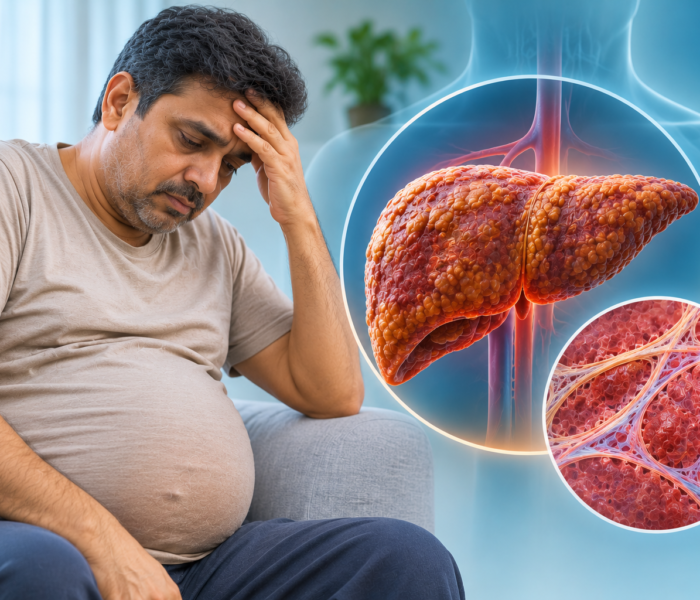
Liver cirrhosis is an advanced stage of chronic liver disease in which healthy liver tissue is replaced by widespread scar tissue. This scarring changes the liver’s structure, affects its normal functions and can restrict blood flow through the liver. NASH-related cirrhosis, now associated with MASH, develops after long-term liver inflammation and damage. Cirrhosis is generally irreversible, but appropriate treatment can help manage complications and reduce the risk of further progression.
Symptoms
-
Persistent fatigue and weakness
-
Loss of appetite and unexplained weight loss
-
Yellowing of the skin and eyes (jaundice)
-
Swelling of the abdomen (ascites)
-
Swelling in the legs and ankles
-
Easy bruising or bleeding
-
Confusion or changes in alertness
Diagnosis & Treatment
Diagnosis may involve liver function tests, blood counts, ultrasound, FibroScan, CT or MRI scans and endoscopy to check for enlarged veins in the food pipe or stomach. Treatment depends on the cause and stage of cirrhosis.
Management may include treating the underlying liver disease, avoiding alcohol, nutritional support, medicines for complications and regular monitoring for liver cancer. Advanced cases may require evaluation for liver transplantation.
Why Choose Dr. Prasad Bhate?
Dr. Prasad Bhate is a gastroenterologist in Pune with a special interest in hepatology and liver diseases. He evaluates chronic liver conditions, monitors disease progression and helps patients manage cirrhosis and its complications.
Recent Research Data
The American Association for the Study of Liver Diseases (AASLD) recommends liver cancer surveillance with ultrasound and alpha-fetoprotein (AFP) testing approximately every six months for eligible patients with cirrhosis. Regular monitoring also helps identify complications such as portal hypertension and varices.
Patient Trust
Cirrhosis requires long-term medical care and regular monitoring. Individualised management helps address complications, protect remaining liver function and assess the need for advanced treatment when necessary.
FAQs
1. What is NASH-related cirrhosis?
Ans: It is advanced liver disease caused by long-term inflammation and scarring associated with MASH, previously called NASH.
2. Can liver cirrhosis be reversed?
Ans: Established cirrhosis is generally considered irreversible. However, treating the underlying cause can help prevent further damage and manage complications.
3. What are the early symptoms of cirrhosis?
Ans: Early cirrhosis may have no symptoms. Fatigue, weakness and loss of appetite may occur.
4. Can cirrhosis increase the risk of liver cancer?
Ans: Yes. Cirrhosis increases the risk of hepatocellular carcinoma, making regular surveillance important.
5. What is the treatment for advanced liver cirrhosis?
Ans: Treatment focuses on managing complications, preventing further liver injury and monitoring liver function. Liver transplantation may be considered in selected advanced cases.
Consult Dr. Prasad Bhate for expert evaluation and management of liver cirrhosis in Pune.
Balewadi Clinic: Expert Superspeciality Clinic, 3rd Floor, Near Lakshmi Mata Mandir, Balewadi Gaon, Pune – 411045.
Pimpri-Chinchwad Clinic: Gera Imperium Oasis, B-209, Near Finolex Chowk, Morewadi, Pimpri Colony – 411018.
Appointment: +91-7770082211
Website: https://www.gastropune.com/