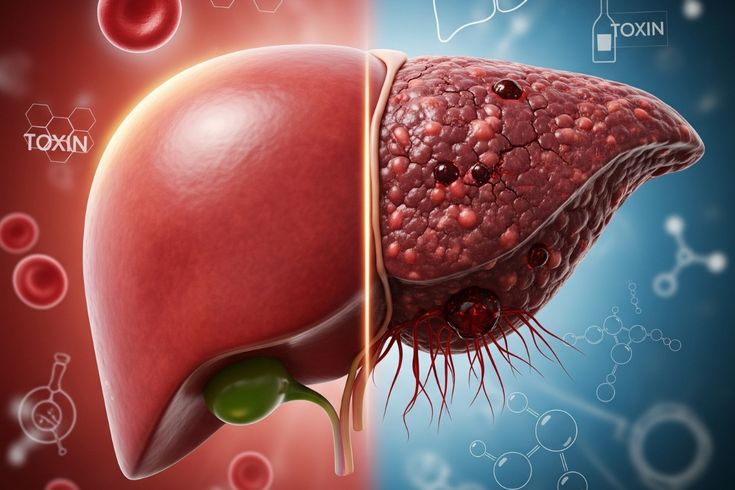
Early Signs of Liver Disease You Should Never Ignore
The liver is one of the most hardworking organs in your body. It filters toxins, helps digest food, stores nutrients, and supports your immune system. Despite doing so much, the liver often suffers in silence. Most people don’t realize there is a problem until the disease progresses and symptoms become more obvious.
That’s why understanding the early signs of liver disease is extremely important. Detecting issues early not only prevents complications but also helps in effective treatment. Let’s explore the early warning signs your body may give when your liver is struggling.
- Persistent Fatigue and Weakness
One of the earliest and most common signs of liver disease is constant tiredness. This isn’t the regular end-of-day fatigue — it is a deep sense of exhaustion that doesn’t improve even after proper rest.
When the liver isn’t functioning well, toxins start building up in the bloodstream, affecting energy levels and making you feel sluggish and weak.
- Unexplained Loss of Appetite
If you suddenly feel full quickly or lose interest in food without any clear reason, the liver might be signaling trouble. A poor appetite often occurs because liver inflammation affects your digestion. Over time, this can also lead to unintended weight loss, another red flag you shouldn’t ignore.
- Digestive Issues: Nausea and Vomiting
Many people with early liver disease experience nausea or frequent episodes of vomiting. Since the liver plays a key role in digestion, any malfunction affects how your stomach processes food. Excess toxins or changes in metabolism can trigger these symptoms.
- Abdominal Pain or Discomfort
Pain or discomfort on the upper right side of your abdomen — where the liver is located — can be an early sign. Some people describe it as a dull ache, while others feel a sharp, stabbing sensation. If this pain becomes persistent, it’s important to consult a liver specialist.
- Yellowish Skin or Eyes (Jaundice)
Jaundice is often one of the more noticeable signs of liver disease. When the liver cannot effectively process bilirubin, it starts accumulating in your body. This leads to yellowing of the skin and eyes. While jaundice usually appears in later stages, mild yellowing in early stages should never be ignored.
- Dark Urine and Pale Stools
Changes in the color of your urine or stools may indicate that the liver isn’t functioning normally.
- Dark urine can be a result of excess bilirubin.
- Pale or clay-colored stools can occur when bile flow is blocked.
These changes should prompt immediate medical attention as they may indicate an underlying liver disorder.
- Itchy Skin Without a Rash
Chronic itching is another subtle but significant early sign. When bile salts accumulate under the skin due to poor liver function, they can cause persistent itching. This itching can be severe, especially at night, and often comes without any visible rash.
- Swelling in Legs, Ankles, or Abdomen
Fluid retention is a common symptom when the liver is damaged.
- Swelling in the legs and ankles (edema)
- Swelling in the abdomen (ascites)
Both occur because the liver fails to produce proteins that regulate fluid balance. Even mild swelling should be checked early to prevent complications.
- Easy Bruising or Bleeding
If you notice that you bruise more easily than before or experience frequent nosebleeds, your liver might be struggling to produce clotting proteins. This is an early warning sign that the liver is not performing its vital functions efficiently.
- Brain Fog or Difficulty Concentrating
When toxins accumulate due to poor liver function, they can affect the brain. This condition is known as hepatic encephalopathy, and it may start with mild signs such as:
- Trouble concentrating
- Mood changes
- Memory problems
- Confusion
If these symptoms appear suddenly, they should not be ignored.
Why Early Detection Matters
Liver disease, when identified early, is often reversible — especially conditions like fatty liver, alcoholic liver disease, or viral hepatitis. Early diagnosis and timely treatment help prevent severe complications such as cirrhosis, liver failure, and liver cancer.
Simple lifestyle changes like reducing alcohol intake, maintaining a healthy weight, treating infections promptly, and managing conditions like diabetes can significantly improve liver health.
When Should You See a Liver Specialist?
If you notice even one of the symptoms mentioned above, it’s wise to consult an experienced gastroenterologist or liver specialist. Early evaluation, blood tests, and imaging can identify the root cause and help start treatment immediately.
Conclusion
Your liver plays a vital role in keeping your body healthy, and it’s important to listen to the early signals it sends. Ignoring these symptoms can lead to complications, but timely diagnosis and care can protect your long-term health.
For expert evaluation and advanced liver care, you can consult:
Dr. Prasad Bhate – Gastroenterologist & Liver Specialist in Pune
Address 1- Gera imperium oasis, B 210, near Finolex Chowk, near Moolchand, Morewadi, Pimpri Colony, Pimpri-Chinchwad, Maharashtra 411018, India
Phone: +917770082211
Address 2– Third floor, Expert Superspeciality Clinic, near Lakshmi Mata Mandir, Laxmi Nagar, Balewadi Gaon, Balewadi, Pune, Maharashtra 411045
Phone: +919923339241
Recent Posts
-
 Fibermaxxing for Indians: Why Varan Bhaat and Ghee are the Original Gut Superfoods By Dr. Bhate’s Gastro Liver Clinic
 -
 Alcohol and the “Social” Liver: How Weekend Drinks in Balewadi High Street Impact Your 10-Year Health
 -
 Grapefruit is the Enemy: 5 Surprising Foods to Avoid While Taking Post-Transplant Meds
 -
 The Donor Hero: A Guide for Pune Families Considering Living Donor Liver Transplantation
 -
 The “Silent” Yellowing: Why Early Liver Disease Often Has No Symptoms Until It’s Urgent.