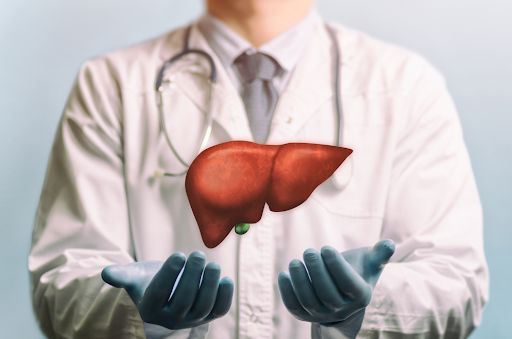
The liver is one of the most essential organs in the body. It detoxifies harmful substances, produces bile for digestion, stores nutrients, and maintains overall metabolic balance. Chronic diseases, infections, alcohol misuse, or sudden liver injury can severely damage the liver, making it unable to perform its functions. In such situations, a liver transplant becomes the only effective and lifesaving treatment option.
With a rise in conditions such as fatty liver, cirrhosis, obesity-related liver disease, hepatitis, and metabolic disorders, the need for expert liver evaluation has increased rapidly. Pune has now become a major healthcare hub, offering advanced liver care and transplant facilities. Among the most trusted specialists is Dr. Prasad Bhate, a well-known Gastroenterologist in Baner and Aundh, known for providing comprehensive liver treatment and guidance on liver transplantation.
This detailed guide explains when a liver transplant is needed, how the process works, the evaluation steps, recovery stages, and what patients in Pune can expect throughout their journey.
What Is a Liver Transplant
A liver transplant is a major surgery in which a damaged liver is replaced with a healthy liver from either a deceased or a living donor. Once transplanted, the new liver begins functioning almost immediately, giving patients a chance to return to a healthy and active life.
Over the years, liver transplantation has become one of the most successful treatments for end-stage liver failure. Improvements in surgical techniques, anesthesia, post operative care, and early diagnosis have significantly increased survival rates.
Doctors do not recommend a transplant unless it is absolutely necessary. Before reaching this step, they try all possible treatments, including medications, lifestyle modification, endoscopic procedures, and observation. Transplantation is advised only when the liver can no longer heal or function on its own.
When Is a Liver Transplant Needed
A liver transplant is necessary when liver damage becomes irreversible. Major conditions that may require a transplant include:
1. Cirrhosis
Cirrhosis is the final stage of chronic liver disease, where normal liver tissue is replaced with scar tissue. This reduces blood flow through the liver and affects its function. It is the most common reason for liver transplantation.
Common causes of cirrhosis include:
Long term alcohol consumption
Chronic Hepatitis B and C
Non alcoholic fatty liver disease
Autoimmune liver disease
Chronic bile duct disorders
Genetic or metabolic conditions
Transplant becomes necessary when cirrhosis leads to complications such as fluid buildup in the abdomen, internal bleeding, severe jaundice, infections, or kidney problems.
2. Acute Liver Failure
This is a sudden and rapid loss of liver function. Patients become critically ill within days.
Causes include:
Viral hepatitis
Drug induced liver injury
Paracetamol overdose
Certain herbal or toxic substances
Autoimmune hepatitis
Acute liver failure progresses quickly, making emergency transplant evaluation essential.
3. Liver Cancer
For early stage liver cancer, especially hepatocellular carcinoma, a liver transplant offers excellent outcomes. It removes the tumor and replaces the entire diseased liver, reducing the chances of recurrence.
4. Genetic or Metabolic Liver Disorders
Some inherited diseases damage the liver slowly and eventually lead to liver failure. These include:
Wilsons disease
Hemochromatosis
Alpha one antitrypsin deficiency
Primary biliary cholangitis
Primary sclerosing cholangitis
Signs That You May Need Liver Evaluation
Consult a liver specialist immediately if you experience:
Persistent jaundice
Weakness or fatigue
Swelling of the abdomen or legs
Loss of appetite or sudden weight loss
Nausea or repeated vomiting
Confusion or irritability
Dark urine
Vomiting blood or passing black stools
These warning signs indicate that the liver may be severely damaged and requires urgent medical attention.
Liver Transplant Evaluation Process
Before approving a transplant, doctors perform a detailed evaluation to confirm if the patient is suitable for the surgery.
1. Full Medical Examination
Tests help determine the stage of liver disease. These include:
Blood tests
Liver function tests
Coagulation profile
Ultrasound
CT or MRI scan
Upper GI endoscopy
Heart and lung assessment
2. MELD Score Assessment
The MELD score determines the severity of liver disease. A higher score indicates a higher need for transplant priority.
3. Consultations with Specialists
Patients meet the full transplant team, including:
Gastroenterologist
Hepatologist
Liver transplant surgeon
Dietician
Psychologist
Transplant coordinator
This ensures physical and emotional readiness for the procedure.
4. Donor Selection
Two options are available:
Deceased donor liver transplant
The liver is taken from a recently deceased donor.
Living donor liver transplant
A healthy family member donates a part of their liver. Both the donor and recipient liver portions regenerate over time.
Leading centers in Pune successfully perform both types of transplants.
What Happens During the Surgery
Liver transplant surgery usually lasts between six and twelve hours. During the procedure:
The damaged liver is removed
The donor liver is placed in the proper position
Blood vessels and bile ducts are connected
The new liver begins functioning soon after the surgery
After the operation, the patient is shifted to the ICU for close monitoring.
Recovery After Liver Transplant
Recovery takes place in different phases.
1. Immediately After Surgery
Monitoring in the ICU
Pain control and infection prevention
Liver function monitoring
Introduction of immunosuppressive medicines
2. Hospital Stay
Patients typically stay in the hospital for ten to twenty days. During this period, they begin walking, eating normally, and gradually regaining strength while doctors observe the liver function closely.
3. Recovery at Home
Patients must:
Take all prescribed medicines regularly
Maintain hygiene
Avoid exposure to infections
Follow a balanced liver friendly diet
Attend all follow up appointments
4. Long Term Outlook
Most patients return to work, travel, family life, and exercise within a few months. With proper care, liver transplant offers many healthy years of life.
Why Choose Dr Prasad Bhate for Liver Care in Pune
Dr Prasad Bhate is a leading Gastroenterologist in Baner, Aundh & PCMC with strong expertise in liver diseases, gastrointestinal disorders, and advanced endoscopy.
What makes him a trusted choice:
Extensive experience in managing complex liver diseases
Detailed and holistic evaluation
Accurate diagnosis using modern imaging and endoscopy
Personalized diet and lifestyle guidance
Clear communication and patient centric approach
Trusted liver care through his practice Gastro Liver Cllinic
Patients from all over Pune rely on his expertise for early diagnosis, treatment, and transplant evaluation.
Conclusion
A liver transplant is a lifesaving treatment for patients with advanced or irreversible liver disease. Early diagnosis and timely medical care significantly improve outcomes. If you or your loved one is experiencing symptoms of liver dysfunction, consult an experienced liver specialist without delay.
For complete liver disease evaluation, transplant guidance, and gastroenterology care.
Clinic Location: Baner, Aundh & PCMC Pune.
Name: Dr Bhate’s Gastro Liver Clinic
Website: www.gastropune.com
Contact no-9923339241,7770082211
Recent Posts
-
 The Solkadhi Secret: Why the Konkan’s Favorite Drink is a Masterclass in Probiotic Science By Dr. Bhate’s Gastro Liver Clinic
 -
 Fibermaxxing for Indians: Why Varan Bhaat and Ghee are the Original Gut Superfoods By Dr. Bhate’s Gastro Liver Clinic
 -
 Alcohol and the “Social” Liver: How Weekend Drinks in Balewadi High Street Impact Your 10-Year Health
 -
 Grapefruit is the Enemy: 5 Surprising Foods to Avoid While Taking Post-Transplant Meds
 -
 The Donor Hero: A Guide for Pune Families Considering Living Donor Liver Transplantation