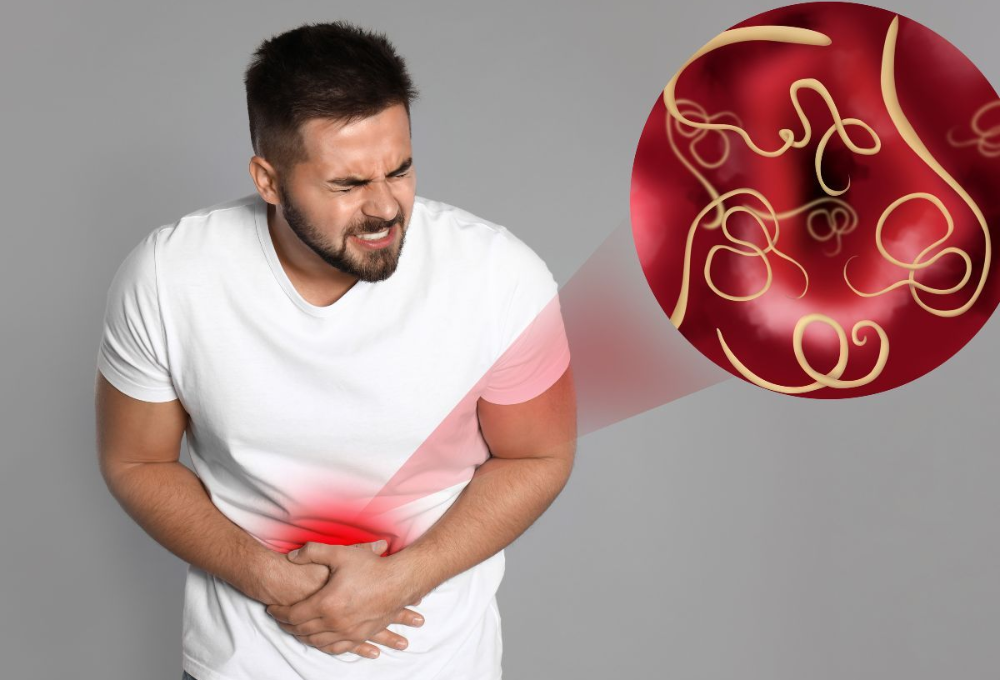
Everyone experiences gas, bloating, or indigestion from time to time—often after a large meal or when trying a new cuisine. However, when these symptoms become chronic or interfere with your quality of life, they could be a sign of an underlying digestive disorder rather than just food-related discomfort.
In this blog, we’ll explore when common gastric symptoms may point to something more serious and why seeing a gastroenterologist could be the next step in protecting your digestive health.
Understanding the Common Symptoms
Gas, bloating, and indigestion are all part of normal digestion. Here’s how each typically presents:
- Gas results from swallowed air or the natural breakdown of food in the colon.
- Bloating refers to the feeling of fullness or tightness in the abdomen.
- Indigestion (dyspepsia) is discomfort in the upper abdomen often accompanied by burping, nausea, or heartburn.
Occasional episodes may be due to overeating, fatty meals, or high-fiber foods. But when these symptoms persist, they may be signaling a more serious issue.
When It’s More Than Just Food
If your symptoms occur frequently, intensify over time, or impact your daily routine, you should consider a professional evaluation. Here are some warning signs to watch for:
1. Symptoms Lasting More Than a Few Weeks
If bloating and discomfort don’t improve with dietary changes or over-the-counter medications, something deeper may be going on.
2. Unexplained Weight Loss
Weight loss without any intentional changes to diet or exercise could suggest malabsorption or digestive tract inflammation.
3. Persistent Heartburn or Acid Reflux
Frequent acid reflux may indicate GERD (Gastroesophageal Reflux Disease), which can damage the esophagus over time.
4. Changes in Bowel Habits
Alternating constipation and diarrhea, or changes in stool consistency and color, may be signs of Irritable Bowel Syndrome (IBS) or Inflammatory Bowel Disease (IBD).
5. Abdominal Pain or Cramping
Recurring pain, especially if severe or localized, should not be ignored.
Possible Medical Conditions Behind Chronic Symptoms
Several gastrointestinal disorders present with gas, bloating, and indigestion. Common ones include:
- Lactose Intolerance – Digestive disorder can cause bloating and gas after dairy consumption.
- Celiac Disease – An autoimmune condition triggered by gluten that damages the small intestine.
- IBS (Irritable Bowel Syndrome) – A functional GI disorder with symptoms like cramping, gas, bloating, and altered bowel habits.
- H. pylori Infection – A bacterial infection that affects the stomach lining and may lead to ulcers.
- Gallstones or Gallbladder Disease – Can cause upper abdominal discomfort, especially after fatty meals.
What You Can Do
If you’re struggling with ongoing digestive issues, here are a few steps you can take:
- Track your symptoms: Note what you eat, how you feel afterward, and when symptoms occur.
- Avoid trigger foods: These might include spicy foods, caffeine, alcohol, or certain high-fiber vegetables.
- Stay hydrated and practice mindful eating—eating slowly and chewing food well can reduce bloating.
- Consult a gastroenterologist for proper diagnosis and treatment.
Conclusion
Occasional indigestion or bloating is often harmless, but when these issues become frequent or disruptive, they may signal something more serious. Early diagnosis and treatment can not only relieve discomfort but also prevent complications down the line.
Dr. Prasad Bhate, one of the leading gastroenterologists in Pune & PCMC, brings over 17 years of experience in diagnosing and treating a wide range of gastrointestinal disorders. At GastroPune, Dr. Bhate offers expert consultation, state-of-the-art diagnostics, and individualized care to help you get lasting relief and restore your gut health.
Recent Posts
-
 Fibermaxxing for Indians: Why Varan Bhaat and Ghee are the Original Gut Superfoods By Dr. Bhate’s Gastro Liver Clinic
 -
 Alcohol and the “Social” Liver: How Weekend Drinks in Balewadi High Street Impact Your 10-Year Health
 -
 Grapefruit is the Enemy: 5 Surprising Foods to Avoid While Taking Post-Transplant Meds
 -
 The Donor Hero: A Guide for Pune Families Considering Living Donor Liver Transplantation
 -
 The “Silent” Yellowing: Why Early Liver Disease Often Has No Symptoms Until It’s Urgent.