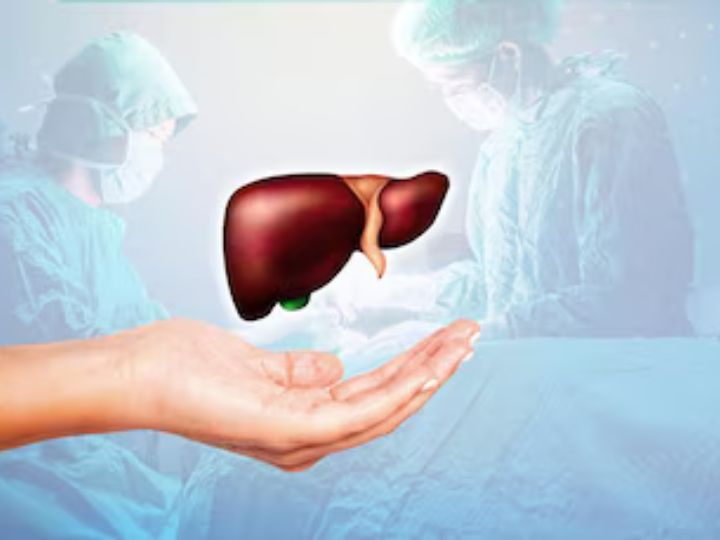
Liver transplant has been the gold standard treatment for end-stage liver disease and acute liver failure for many years. Yet demand for donor organs is far outpacing supply, leaving many patients waiting years for their transplant, some never receiving one. But medicine is changing fast. Advances in bioengineered organs and regenerative therapy are imminent, bringing the promise to transform liver care and decrease the need for human donors.
This blog delves into the future of liver transplantation, unfolding and how the latest technology is leading the way to hope, healing, and longevity.
The Organ Shortage Crisis
The number of individuals afflicted with liver disease has been increasing steadily owing to diseases such as non-alcoholic fatty liver disease (NAFLD), hepatitis, and alcohol-related liver disease. Although liver transplants can be life-saving, demand for healthy livers far exceeds supply.
Additionally, transplantation presents major challenges:
- Long waiting times
- Risk of organ rejection
- Life-long immunosuppression
- Expensive medical procedures
To overcome these constraints, scientists are concentrating on next-generation technologies: bioengineered livers and regenerative treatments.
Bioengineered Livers: Creating Organs in the Laboratory
Bioengineering is the process of using biological, mechanical, and technological methods to produce artificial or semi-artificial organs. For liver transplantation, this encompasses:
1. 3D Bioprinting
With patient-derived cells and proprietary bio-inks, researchers can now 3D print small liver structures—liver organoids—that closely resemble the actual organ’s structure and function. While whole-size, transplantable 3D-printed livers are not yet ready for clinics, scientists are confident it’s just around the corner.
Advantages:
- Removes the risk of immune rejection (when using the patient’s own cells)
- Reduces demand on donor organs
- Scalable solution to future transplants in need
2. Decellularization and Recellularization
This approach involves taking a donor liver, stripping it of all its cells (leaving only the protein-based scaffold), and seeding it with healthy cells from the patient. This decreases the risk of rejection while preserving the intricate liver structure necessary for optimal function.
While still experimental, this process is advancing fast in laboratories across the globe.
Regenerative Therapy: Healing the Liver from Within
Another promising direction is regenerative therapy, which aims to repair or regrow liver tissue instead of replacing the entire organ. The main strategies are:
1. Stem Cell Therapy
Stem cells can differentiate into liver cells (hepatocytes). When implanted into injured liver tissue, they can trigger regeneration and restore function.
Clinical trials are in progress already, evaluating mesenchymal stem cells (MSCs) in chronic liver disorders such as cirrhosis. Preliminary outcomes indicate enhanced liver function and a decrease in inflammation.
2. Gene Editing and CRISPR
Gene-editing technologies such as CRISPR-Cas9 enable researchers to repair genetic mutations that lead to liver diseases like Wilson’s disease, alpha-1 antitrypsin deficiency, and hemochromatosis. By addressing the underlying cause at the DNA level, these treatments have the potential to render a liver transplant unnecessary.
3. Growth Factor Injections
Growth factors like hepatocyte growth factor (HGF) are able to stimulate the repair and regeneration of liver cells faster. These injections, in their infancy regarding research, hold promise for providing non-invasive therapy for patients with initial liver damage.
A Personalized Approach to Liver Disease
The future of liver transplantation is precision medicine—personalized therapies based on an individual’s genetic, environmental, and lifestyle patterns. Through bioengineered organs, stem cells, or gene therapy, the new technologies aim to provide tailored, effective, and less disruptive solutions.
Also, AI and machine learning are being applied to forecast liver disease progression, pinpoint transplant candidates with greater precision, and even inform regenerative treatment strategies.
Looking Ahead
While we’re not yet at the point where synthetic livers are on the shelves, the pace of advancement is promising. With continued investment in biotechnology, tissue engineering, and regenerative medicine, the once-futuristic vision of lab-grown organs and personalized liver therapy is becoming a reality.
For liver failure patients, these advances provide more than therapy—they provide new hope. As science closes the gap between technology and biology, the future of liver transplants is brighter than ever.
Summary:
The future of liver transplants is being revolutionized by revolutionary breakthroughs such as bioengineered organs and regenerative medicine. With the worldwide scarcity of donor livers and the increasing incidence of liver disease, methods such as 3D bioprinting, decellularization-recellularization, and stem cell therapy are giving rise to new hope. Such advanced techniques promise to fix or rebuild liver tissue with a patient’s own cells, lowering the risk of rejection and donor dependence. Gene therapy and growth factor treatments are also being investigated to reverse liver injury at the molecular level.
At Dr. Bhate’s Gastro–Liver Clinic in Pune, patients can receive specialized treatment for intricate liver disorders such as hepatitis A, B, C, liver disease, and enlarged liver problems. Under the guidance of Dr. Prasad Bhate, one of Pune’s top hepatologists, the clinic combines state-of-the-art medical expertise with empathetic care to provide outstanding results. For individuals looking for superior liver treatments, Dr. Bhate’s clinic is at the pinnacle of hepatology excellence in Pune.
Recent Posts
-
 Fibermaxxing for Indians: Why Varan Bhaat and Ghee are the Original Gut Superfoods By Dr. Bhate’s Gastro Liver Clinic
 -
 Alcohol and the “Social” Liver: How Weekend Drinks in Balewadi High Street Impact Your 10-Year Health
 -
 Grapefruit is the Enemy: 5 Surprising Foods to Avoid While Taking Post-Transplant Meds
 -
 The Donor Hero: A Guide for Pune Families Considering Living Donor Liver Transplantation
 -
 The “Silent” Yellowing: Why Early Liver Disease Often Has No Symptoms Until It’s Urgent.