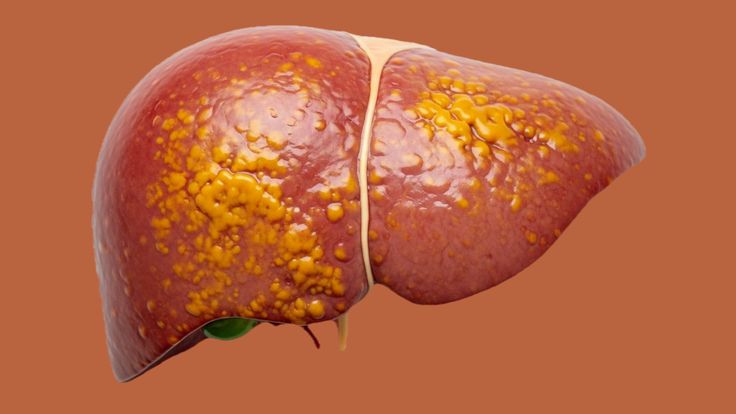
Non-Alcoholic Fatty Liver Disease (NAFLD) has emerged as one of the most common liver disorders worldwide, particularly in urban India. With the rising prevalence of sedentary lifestyles, unhealthy eating habits, obesity, and metabolic disorders, NAFLD is now being increasingly diagnosed even among young adults in Pune and Pimpri-Chinchwad (PCMC). Understanding its causes, diagnosis, and available treatment options is crucial for early intervention and long-term liver health.
What Is Non-Alcoholic Fatty Liver Disease (NAFLD)?
NAFLD refers to the accumulation of excess fat in liver cells in individuals who consume little to no alcohol. While a small amount of fat in the liver is normal, excessive fat buildup can lead to inflammation and liver damage.
NAFLD exists on a disease spectrum:
- Simple fatty liver (hepatic steatosis): Fat accumulation without inflammation
- Non-Alcoholic Steatohepatitis (NASH): Fat with inflammation and liver cell injury
- Fibrosis and cirrhosis: Progressive scarring that may lead to liver failure
Early stages are often reversible, making timely diagnosis extremely important.
Common Causes and Risk Factors of NAFLD
NAFLD is closely linked to metabolic health. The most significant underlying factor is insulin resistance, which promotes fat storage in the liver.
Major risk factors include:
- Obesity or central (abdominal) obesity
- Type 2 diabetes
- High cholesterol and elevated triglycerides
- Metabolic syndrome
Other contributing factors include:
- Poor dietary habits
- Excess intake of refined carbohydrates and sugary foods
- Sedentary lifestyle and lack of physical activity
- Hormonal imbalances
- Genetic predisposition
Symptoms: Why NAFLD Is Often Missed
One of the biggest challenges with NAFLD is that it is often silent in its early stages. Many patients are diagnosed incidentally during routine health check-ups or imaging done for other reasons.
When symptoms do occur, they may include:
- Persistent fatigue
- Mild discomfort or heaviness in the upper right abdomen
- Unexplained weight gain
- Abdominal bloating
As NAFLD progresses to NASH or cirrhosis, more serious symptoms may appear, such as:
- Yellowing of the skin and eyes (jaundice)
- Swelling of the legs or abdomen
- Loss of appetite
- General weakness
Diagnosis of NAFLD
Diagnosing NAFLD involves a combination of clinical evaluation and investigations. Liver function tests may show mildly elevated liver enzymes, though enzyme levels can be normal in many cases.
Common diagnostic tools include:
- Ultrasound abdomen: Often the first screening test
- FibroScan: Measures liver fat and stiffness
- CT scan or MRI: Used in selected cases for detailed assessment
A liver biopsy is rarely required and is reserved for cases where advanced fibrosis or NASH is suspected. Consultation with an experienced gastroenterologist or hepatologist helps ensure accurate staging and management.
Modern Treatment Options for NAFLD
Currently, there is no single approved medication specifically for NAFLD. However, the condition can be effectively managed and even reversed in early stages through lifestyle modification.
Lifestyle and Dietary Management
- Gradual and sustained weight loss
- Regular physical activity (at least 150 minutes per week)
- Reducing sugar, refined carbohydrates, and saturated fats
- Increasing intake of vegetables, fruits, whole grains, lean proteins, and healthy fats
- Avoiding processed foods and sugary beverages
Medical Management
Medications may be prescribed to:
- Improve insulin sensitivity
- Control cholesterol and triglyceride levels
- Manage associated conditions like diabetes and hypertension
Treatment is individualized based on disease severity and associated metabolic conditions.
Importance of Specialist Care
NAFLD is not just a liver condition—it reflects overall metabolic health. Early evaluation by a specialist helps determine disease stage and prevents progression to serious complications like cirrhosis or liver failure.
Regular follow-up with a gastroenterologist ensures proper monitoring, guidance on lifestyle changes, and timely intervention.
Conclusion
Non-Alcoholic Fatty Liver Disease is increasingly common but highly manageable when detected early. With appropriate lifestyle changes and medical guidance, many patients can reverse fatty liver and protect long-term liver health. Individuals who are obese, diabetic, or have abnormal liver tests should seek medical evaluation without delay.
For expert care and guidance on liver health, consult Dr. Bhate, one of the most trusted gastroenterologists in Pune and Pimpri-Chinchwad (PCMC).
Clinic Address:
B-210, Gera Imperium Oasis,
Near Finolex Chowk, Pimpri-Chinchwad,
Maharashtra – 411018
Recent Posts
-
 Top Causes of Acidity & Gas — And How to Fix Them Fast
 -
 Why Gut Health Matters: Simple Tips for a Healthy Digestive System
 -
 Early Signs of Liver Disease You Should Never Ignore
 -
 Managing Chronic Hepatitis: Long-Term Care and Lifestyle Changes
 -
 Early Signs of Liver Fibrosis & How It’s Diagnosed With Advanced Testing