
With digestive well-being, most symptoms are so minor and can be so easily overlooked. Dismissing recurring discomfort in the stomach, acid reflux, or difficulty swallowing can postpone the identification of serious underlying disorders. That’s where Upper GI Endoscopy comes into action.
Also referred to as esophagogastroduodenoscopy (EGD), this test enables your physician to visually inspect your esophagus, stomach, and top portion of small intestine (duodenum) with a flexible tube and camera. It’s safe, very fast, and incredibly useful for diagnosing many gastrointestinal disorders.
So how do you know you may need one?
Following are 5 warning signs that you should seek advice from a gastroenterologist for an Upper GI Endoscopy:
1. Chronic Heartburn or Acid Reflux (GERD)
Mild heartburn after eating a spicy meal is no cause for concern. But frequent acid reflux, particularly if it occurs more than twice a week, could be indicative of gastroesophageal reflux disease (GERD).
If left untreated, GERD can lead to inflammation, ulcers, or Barrett’s esophagus, a condition that is precancerous. An upper endoscopy is useful in determining the extent of damage and excluding complications.
2. Trouble Swallowing (Dysphagia)
If you experience a sensation of food sticking in your throat or chest, it might be more than bad chewing. Dysphagia can be a consequence of inflammation, esophageal strictures, or even tumors.
An endoscopy aids in identifying where the blockage is, evaluates any esophagus narrowing, and provides tissue biopsies if necessary.
3. Mysterious Nausea and Vomiting
We all get queasy from time to time, but if you’re constantly vomiting for no apparent reason—particularly when it’s joined by weight loss or dehydration—it may be associated with peptic ulcers, gastritis, or even gastroparesis (slowed stomach emptying).
An Upper GI Endoscopy can uncover the underlying cause and point the way toward proper treatment.
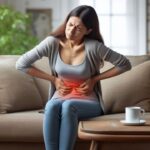
4. Pain or Discomfort in the Upper Abdomen
Constant or severe pain in the upper stomach region could be due to issues like ulcers of the stomach, inflammation (gastritis), or even stomach cancer in its early stages.
Discomfort that is exacerbated after meals, at night, or feels like burning might also be due to an ulcer or GERD. Endoscopy confirms the diagnosis and allows for immediate treatment in certain situations (e.g., cauterizing bleeding ulcers).
5. Gastrointestinal Bleeding
If you’re experiencing vomiting of blood (hematemesis) or notice black, tarry stools (melena), it’s a red flag.
These are signs of bleeding somewhere in the upper GI tract, possibly from ulcers, varices, or erosions. An endoscopy allows your doctor to locate and even treat the source of bleeding in real time, potentially saving your life.
What Happens During an Upper GI Endoscopy?
The test typically lasts 15–30 minutes and is done with local anesthesia and light sedation for comfort.
A long, soft tube (endoscope) is passed through the mouth and along the esophagus. The camera transmits pictures to a monitor, enabling the physician to examine your upper digestive system for inflammation, ulcers, tumors, and other conditions. Biopsies (small tissue samples) are optional and can be taken at the same time if needed.
Benefits of Early Detection
Getting an endoscopy at the right time can:
- Detect ulcers and gastritis early
- Identify precancerous changes
- Prevent complications from GERD
- Confirm or rule out infections like H. pylori
- Guide effective treatment plans
Many patients hesitate due to fear or discomfort, but with modern sedation and expert care, it’s a safe, outpatient procedure with minimal risk.
Conclusion
If you’ve been silently suffering from recurring upper abdominal symptoms, don’t ignore the signals your body is giving you.
An Upper GI Endoscopy is a strong tool that is able to reveal hidden reasons and assist you in receiving timely, effective care. It’s not merely a test—it may be your initial step towards long-term digestive comfort.
Dr. Prasad Bhate is a trusted Gastroenterologist in Pune & PCMC with over 17 years of experience in internal medicine and digestive care. He specializes in advanced diagnostics including endoscopy, liver disorders, IBS, and GI cancers.
Recent Posts
-
 Fibermaxxing for Indians: Why Varan Bhaat and Ghee are the Original Gut Superfoods By Dr. Bhate’s Gastro Liver Clinic
 -
 Alcohol and the “Social” Liver: How Weekend Drinks in Balewadi High Street Impact Your 10-Year Health
 -
 Grapefruit is the Enemy: 5 Surprising Foods to Avoid While Taking Post-Transplant Meds
 -
 The Donor Hero: A Guide for Pune Families Considering Living Donor Liver Transplantation
 -
 The “Silent” Yellowing: Why Early Liver Disease Often Has No Symptoms Until It’s Urgent.